
In daily life, ants are extremely common “uninvited guests.” Whether in kitchen corners, beside balcony flower pots, or in the cracks of living room floors, their busy figures may appear. These seemingly tiny creatures not only steal food and contaminate ingredients, but some species may also bite humans, causing discomfort and even damaging home environments. Faced with ant infestations, many have tried various methods with limited success. This article will delve into ants’ habits and provide detailed, practical techniques for repelling them—covering physical, chemical, and natural approaches. It will also share key preventive measures to help you eliminate ant problems once and for all.
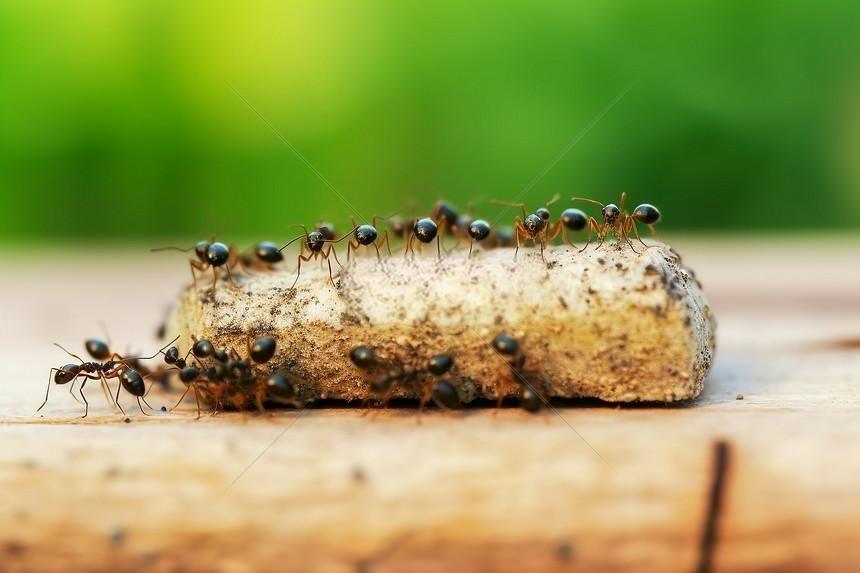
To effectively eliminate ants, you must first identify the species infesting your home. Different ant species exhibit slightly different habits, and their corresponding removal strategies will vary. The following are the most common ant species that invade residential environments:
① Yellow House Ant: Small in size, typically pale yellow or yellowish-brown, this is the most common ant species in homes. They are highly attracted to sweet foods, often congregating near sugar jars, honey bottles, or fruit bowls in kitchens. They typically enter through cracks in doors and windows or pipe joints, reproduce rapidly, and once a nest is established, can spread extensively.
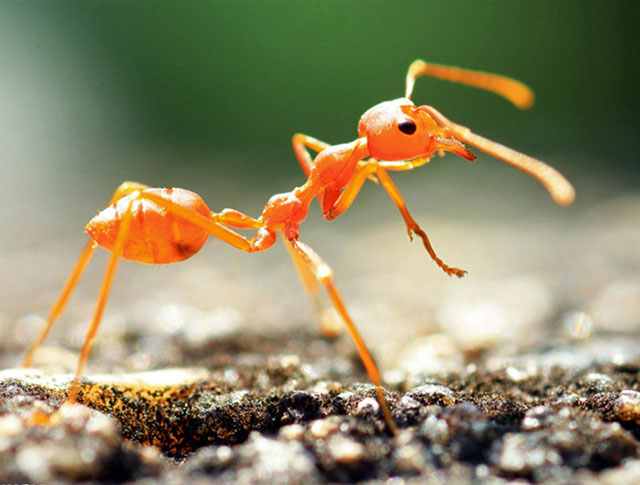
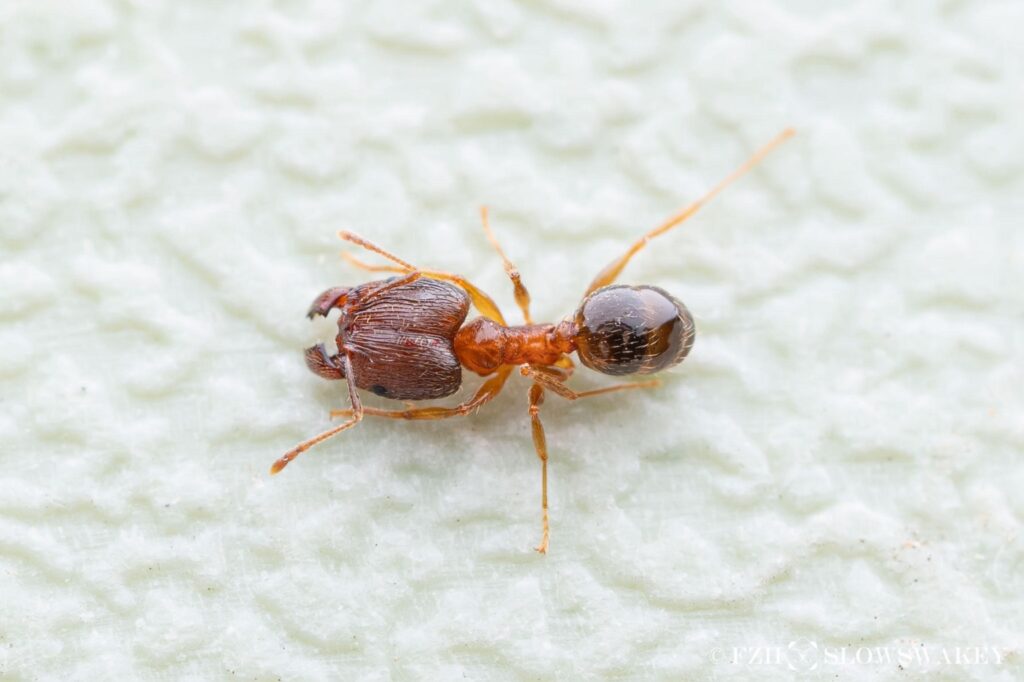
② Big-headed Ant: Characterized by a head disproportionately large relative to its body, these ants are predominantly black or brown. They are often found on balconies, beneath flower pots, or in wall cracks. Big-headed ants not only steal food but may also gnaw on plant roots, damaging houseplants. Their nests are frequently hidden within soil or inside walls, making them difficult to locate.
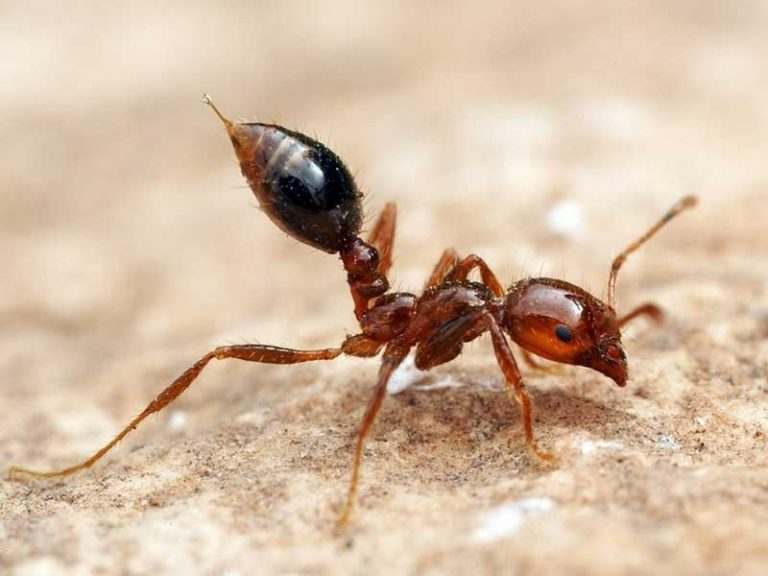
③ Red Ants: These reddish-brown ants exhibit some aggressiveness. Their bites cause skin redness, swelling, and itching. Red ants typically thrive in warm, humid environments like bathroom floors and shower corners. They show particular interest in protein-rich foods such as meat scraps and pet food.
Understanding ant species allows for targeted removal strategies based on their preferences and activity zones, enhancing eradication efficiency.
The core of physical removal methods lies in “isolation, interception, and elimination” to disrupt ant activity and destroy their habitat. This approach offers chemical-free safety, making it particularly suitable for homes with seniors, children, or pets.
1. Thorough Cleaning: Cut Off Ants’ “Food Sources”
The root cause of ant infestations is accessible food indoors, making home cleanliness the foundation of physical removal. Specific practices include:
① Promptly dispose of kitchen waste daily, especially garbage containing sweets or meat scraps. Use covered trash bins and practice “daily collection and disposal” to prevent odors from attracting ants.
② Wipe down dining tables and kitchen countertops immediately after meals to remove food crumbs. Regularly clean dishes and utensils to avoid grease and food residue buildup.
③ Store food in airtight containers. Transfer dry goods like sugar, salt, and flour into well-sealed glass or plastic jars. Refrigerate perishable items such as fruits and bread promptly to prevent exposure to air.
④ Regularly clean hard-to-reach areas prone to dust and food residue buildup, such as under cabinets, beneath refrigerators, and behind sinks. Use a vacuum cleaner or damp cloth for thorough cleaning.
Thorough cleaning disrupts ants’ food supply chain, reducing their “visitation frequency” and laying groundwork for subsequent extermination efforts.
2. Seal Cracks: Block Ant “Invasion Routes”
Ants are tiny and can squeeze through gaps as small as a millimeter. Sealing indoor and outdoor gaps is crucial to prevent entry:
① Inspect door and window seals: Replace worn or damaged weatherstripping promptly. Fill gaps between doors/windows and walls with silicone caulk or sealant, paying special attention to often-overlooked areas like door thresholds and window edges.
② Inspect pipe connections: Seal any gaps around plumbing or heating pipes where they meet walls in kitchens and bathrooms using waterproof sealant to prevent ants from entering through these pathways.
③ Repair wall cracks: Fill cracks in walls—especially near floors or corners—with putty or cement to prevent ants from nesting within them.
④ Clear outdoor areas: Promptly remove fallen leaves, weeds, and debris from balconies and windowsills to prevent ants from establishing outdoor nests and entering through doors or windows.
3. Physical Traps: Rapidly Reduce Ant Populations
For ants already inside, set physical traps to capture them and quickly reduce ant activity:
① Sugar water traps: Prepare a shallow dish with a 1:1 ratio of sugar to water. Coat the rim with cooking oil (to prevent ants from climbing out). Place the dish in high-traffic ant areas. Ants attracted to the sugar water will fall in and be unable to escape.
② Sticky Tape Trap: Cut transparent adhesive tape into strips or pieces with the sticky side facing up. Place them along ant pathways, such as kitchen counter edges or floor cracks. Ants will get stuck when walking over the tape. Replace the tape regularly.
③ Wet Cloth Capture: Upon discovering an ant gathering spot, quickly wipe the area with a damp cloth to trap the ants inside. Immediately submerge the cloth in hot water to eliminate the ants completely.
When dealing with significant ant populations that have established visible nests, physical methods may prove insufficient for rapid results. Chemical removal techniques can be employed. When using chemical agents, strictly adhere to operational guidelines and implement safety precautions to prevent harm to humans and pets.
1. Insecticides: Rapid Ant Eradication
Household insecticides on the market come in spray and powder formulations. Select based on ant activity areas:
① Spray Insecticides:
Ideal for eliminating ants visible on walls, floors, cabinet surfaces, etc. Before use, close all windows and doors, move food and utensils to a safe area, then spray evenly on ant gathering spots. After spraying, occupants and pets must leave the room. Seal the area for 30-60 minutes, then ventilate by opening windows for 2-3 hours. Only re-enter once the odor has dissipated. When selecting sprays, prioritize low-toxicity, low-irritation products containing ingredients like permethrin or cypermethrin. These offer high human safety and effective pest control.
② Powder Insecticides:
Ideal for eliminating ants in crevices and near nests. Lightly sprinkle the powder at ant nest entrances, wall cracks, and around pipes. Ants will carry the powder into the nest by grooming their antennae and cleaning their bodies, thereby killing the queen and larvae inside. When using powder, avoid areas accessible to children or pets. If ingested accidentally, seek immediate medical attention.
Note: Insecticides primarily target visible ants and may not completely eliminate those hidden within the nest. Therefore, they are typically used in conjunction with other methods.
2. Ant Bait: Eliminate Ant Nests at the Source
Ant bait leverages ants’ foraging behavior to achieve efficient colony-wide extermination, making it ideal for complete nest elimination. Its mechanism: Worker ants carry the bait back to the nest, where the queen, larvae, and other ants consume it, leading to the colony’s demise.
When using ant poison bait, note the following key points:
① Select the appropriate bait type: Commercially available baits come in granular and gel forms. Granular bait is suitable for dry surfaces and cabinet corners; gel bait can be applied to wall crevices and pipe joints, ensuring it remains uncovered by dust. Opt for baits containing ingredients like fipronil or thiamethoxam, which are highly toxic to ants while maintaining high safety for humans.
② Proper bait placement: Position baits along ant trails—near kitchen sinks, refrigerator bases, or balcony planters—placing small portions every 10-15 cm. Avoid excessive initial placement, as ants may struggle to transport it back to their nest.
③ Wait patiently for results: Baits take time to work, typically 3-7 days. During this period, do not disturb the baits or spray ants with insecticides, as this may disrupt worker ants from carrying food back. If significant ant activity persists after 7 days, replenish baits as needed until ants are completely eliminated.
While using the bait, store all food in sealed containers to prevent accidental ingestion by children or pets. If contact occurs, immediately rinse the affected area with clean water.
For those prioritizing environmental protection and concerned about chemical hazards, natural repellents offer an ideal solution. These methods leverage the scents or properties of natural materials to deter ants, ensuring high safety and easy accessibility.
1. Utilizing “Odor Deterrence”: Encouraging Ants to Stay Away
Ants are highly sensitive to certain natural odors. These scents disrupt their “pheromone navigation” (ants secrete pheromones to mark trails and guide others to food), achieving a repellent effect:
① White Vinegar: Mix white vinegar and water in a 1:1 ratio. Spray the mixture onto areas where ants are active, such as kitchen countertops, door and window crevices, and floor edges. The acidic scent of vinegar disrupts the pheromones ants leave behind and inhibits their activity. Regular spraying effectively reduces ant presence.
② Lemon/Orange Peels: Chop lemon or orange peels and place them in corners where ants frequently appear, such as inside cabinets or near flower pots. Alternatively, squeeze the juice from the peels and apply it to cracks and crevices. The fresh citrus scent strongly deters ants while keeping your home smelling pleasant.
③ Mint: Mint’s pungent scent is an ant deterrent. Grow a few mint plants on balconies or windowsills to prevent ants from entering from outside. Alternatively, mix mint essential oil with water (10 drops per 500ml) in a spray bottle and apply to ant activity zones for significant results.
④ Cinnamon Powder: Sprinkle cinnamon powder along door and window crevices, wall corners, or near ant nests. Its scent disrupts ants’ sense of smell, deterring them from approaching. Note: Use pure ground cinnamon powder without additives to ensure effectiveness.
The natural scent repellent method is safe and eco-friendly, though its effects are relatively mild. Consistent application is needed to see noticeable improvement.
2. Utilizing “Physical Barriers”: Blocking Ant Crawling Paths
Beyond scent deterrents, natural materials can create physical barriers to prevent ants from traversing specific areas:
① Talcum Powder / Baby Powder: Sprinkle talcum powder or baby powder along kitchen counter edges, around sinks, or on ant trails. The fine, smooth texture makes it difficult for ants to traverse, preventing access to food.
② Table Salt: Sprinkle a layer of fine salt in door/window crevices or wall corners. Salt particles irritate ants’ bodies while absorbing moisture from the environment, making survival difficult.
③ Coffee Grounds: Place dried coffee grounds at the bottom of flower pots, in balcony corners, or near ant nests. The scent of coffee grounds not only repels ants but also serves as natural fertilizer, providing nutrients for plants—killing two birds with one stone.
After eliminating ants, failure to implement preventive measures often leads to reinfestation. Below are core prevention techniques recommended for long-term adherence.
① Maintain a clean environment: Even after ants are eliminated, keep your home clean—especially in areas prone to attracting ants like kitchens and bathrooms. Practice “frequent cleaning, no food residue, and regular ventilation.”
② Regularly inspect potential nesting sites: Monthly checks of hidden areas like balcony flower pots, cabinet bottoms, and wall crevices reveal ant activity or nest signs. Address any findings promptly.
③ Address outdoor risks: Regularly clear fallen leaves, weeds, and debris around your home to prevent outdoor nests. If you have a garden or potted plants, avoid excessive use of organic fertilizers to deter ants.
④ Strengthen entry protection: Promptly remove standing water from outside doors and windows after rain to prevent damp conditions from attracting ants. Apply “ant-proof strips” (specialized insect-proof and ant-proof sealing strips available commercially) to the bottom of doors and windows to further block ant entry.
⑤ Maintain pet hygiene: If you have pets, promptly clean up any leftover food and thoroughly wash their food bowls after each use to prevent pet food from becoming a “food source” for ants.
Q: Why do ants still appear in my home even though it’s spotless?
A: Beyond food scraps, ants may be drawn to indoor moisture and warmth—such as standing water in bathrooms or damp soil in potted plants. Additionally, ants from neighboring homes may “visit” through wall cracks, pipes, or other openings. Therefore, even with thorough cleaning, sealing gaps and maintaining outdoor areas is essential.
Q: After using insecticide, why do I see more ants?
A: This may occur because the insecticide only killed surface worker ants without eliminating the queen and larvae within the nest. After worker ants die, the queen accelerates reproduction to replenish the workforce, temporarily increasing ant numbers. At this point, discontinue insecticide use and switch to ant bait to eliminate the nest at its source.
Q: Natural ant repellents aren’t very effective. What should I do?
A: The effectiveness of natural repellents varies significantly based on environment and ant species. If results are poor after consistent use, combine physical methods (like sealing cracks and setting traps) or choose low-toxicity chemical agents (such as gel baits). Using multiple approaches together typically improves ant control.
Q: How can I confirm the nest is completely eliminated after ants?
A: Observe ant activity: If no ants are seen for 7-10 consecutive days, and no ants gather around small sweet bait (like a piece of cake) placed in former activity areas, the nest is likely eliminated. Implement preventive measures afterward to avoid reinfestation.
When facing ant infestations at home, there’s no need for excessive anxiety. By selecting appropriate extermination methods based on ant species and specific circumstances—physical methods for safety-first scenarios, chemical methods for large-scale invasions, and natural methods for eco-conscious needs—while implementing long-term preventative measures, you can permanently eliminate ant disturbances and maintain a cleaner, more comfortable living environment.



 Arabic
  English
  Spanish
  Russian
  German
  Portuguese
  French
  Italian