
Mastering legal, scientific, and effective methods for deterring wolves—which not only ensure personal safety and protect property but also preserve the ecosystem and enable harmonious coexistence between humans and wolves—is the most appropriate choice today.
This article provides a comprehensive overview of wolves’ habits and vulnerabilities, outlines the core principles of compliant wolf deterrence, and shares practical methods—including physical deterrence, biological protection, smart technology, and long-term prevention—tailored to different scenarios. It also addresses common misconceptions about daily wolf deterrence, helping readers fully understand how to properly deter wolves and build a comprehensive safety barrier.
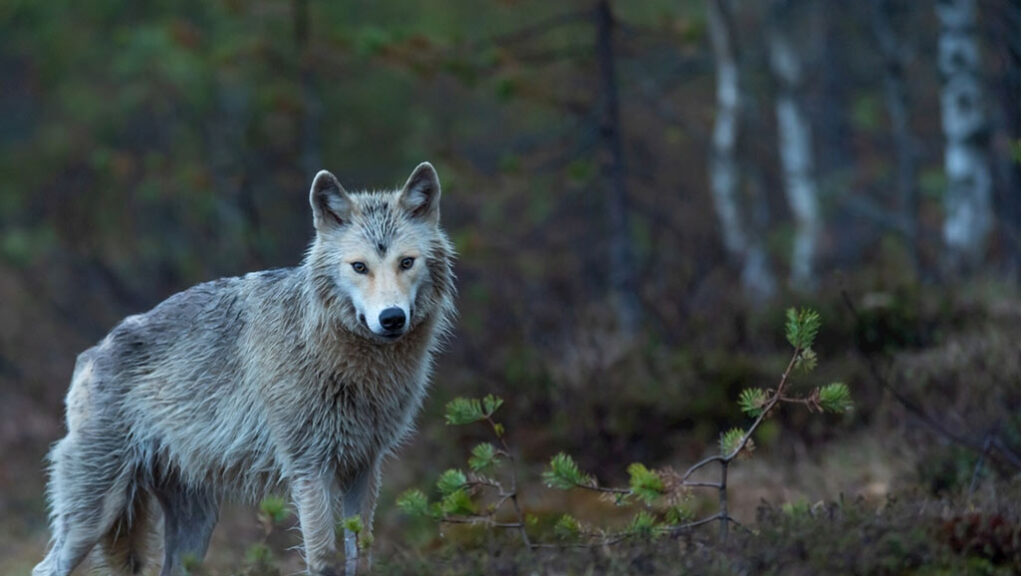
To effectively deter wolves, one must not act blindly. It is essential to understand their core behaviors and innate vulnerabilities in order to develop targeted strategies, thereby avoiding the risk of provoking the pack through improper actions and triggering greater danger.
1. Core Habits of Wolves
Wolves are social, carnivorous mammals with extremely high vigilance. Their sense of smell and hearing far surpass those of humans; their hearing range is more than six times that of humans, allowing them to detect faint sounds from several kilometers away. Their sense of smell is among the most acute in the animal kingdom, enabling them to identify prey, predators, and unfamiliar environments through scent. Wolf packs typically have fixed territories and are most active at night and during dawn and dusk. They primarily feed on wild herbivores. When wild food sources are scarce, they may turn to livestock such as cattle, sheep, and poultry raised by herders. They occasionally approach human dwellings to test the waters, but under normal circumstances, wolves do not actively attack healthy adults. Most often, their actions are driven by the need for food, and they will retreat if met with resistance.
2. Natural Vulnerabilities of Wolves
– Fear of Bright Lights and Sudden Loud Noises: A wolf’s eyes are extremely sensitive to bright light; sudden exposure to intense light can cause temporary blindness and instill fear. Sudden loud noises disrupt their vigilance, causing them to mistakenly perceive danger and flee rapidly.
– Fear of Open Flames: Wild wolves have inherited a fear of fire through generations; open flames and firelight deter them from approaching, a risk-avoidance instinct hardwired into their genes.
– Aversion to Pungent Odors: Wolves strongly dislike strong, pungent odors, such as the smell of gunpowder, certain herbs, or the scent of large guard dogs; upon detecting these, they will actively avoid the area.
– Vigilance toward unfamiliar environments and unknown threats: Wolves are naturally cautious and will not rashly enter areas with obvious defenses, signs of human activity, or the presence of other animals that pose a deterrent. They prefer to target unobstructed, low-risk prey.
If you are hiking outdoors, herding livestock in a pasture, or on night watch and suddenly notice a wolf approaching, do not panic and do not run (running triggers a wolf’s hunting instinct). Immediately employ the following methods to quickly drive the wolf away and ensure your safety.
1. Noise Deterrence: The Most Convenient Immediate Wolf Repellent
Wolves are extremely sensitive to sudden loud noises, making this the easiest immediate repellent method to use. When a wolf approaches, shout loudly, blow a high-pitched whistle, or strike metal objects such as metal basins, pots, or wooden sticks to produce a continuous, piercing sound. If possible, activate an alarm for an even stronger deterrent effect. Animal repellents and wolf-repelling whistles commonly used in local pastoral areas all utilize the principle of sound to quickly instill fear in wolves, causing them to turn and flee. It is important to note that when shouting, you should stand tall with your arms spread wide to make yourself appear larger, combining this with the noise to create a dual deterrent effect on the wolves.
2. Bright Light Deterrence: The Ultimate Tactic for Nighttime Wolf Repellence
Nighttime is the peak period for wolf activity, and shining a bright light is the best method for dealing with wolves at night. Carry a high-powered flashlight or headlamp with you. When encountering a wolf, directly aim the bright light at its eyes and shine it continuously. The intense light will cause the wolf to squint and be unable to open its eyes, instantly losing the courage to attack or probe, and it will quickly retreat to a safe distance. If you lack professional high-intensity lighting equipment, you can use a smartphone flashlight, a torch, or a burning cloth strip as alternatives; these will still serve as effective deterrents. The key is to exploit the wolf’s fear of light to block its path of approach.
3. Open-Flame Deterrence Method: Long-lasting, Immediate Deterrence, Suitable for Wilderness Settings
When camping in the wilderness or on night watch in pastoral areas, light a campfire or bonfire in advance. This not only provides warmth but also completely prevents wolves from approaching. If you suddenly encounter a wolf, quickly ignite nearby flammable materials (such as dry grass or branches) to create an open flame. Upon seeing the fire, the wolf will immediately retreat and will absolutely not approach the area of the open flame. Note that when using open flames, you must observe fire safety precautions, keep away from flammable vegetation, and avoid causing a fire.
4. Odor Distraction Method: Using pungent odors to drive wolves away
Wolves detest strong, pungent odors. Prepare wolf repellent incense, chili powder, or black pepper in advance. When encountering a wolf, scatter chili powder or black pepper into the air, or light the wolf repellent incense (commonly made in pastoral areas by mixing dog hair, gunpowder, and sheep dung powder). This releases odors that wolves find repulsive, causing them to flee quickly due to the unpleasant scent. This method is suitable for close-range deterrence, is simple to implement, and does not harm the wolves, fully complying with regulations for lawful wolf deterrence.
In areas frequently targeted by wolves—such as livestock pens in pastoral zones, courtyards in remote villages, and outdoor work camps—immediate deterrence alone is insufficient. It is necessary to establish a long-term protection system that prevents wolves from approaching at the source, avoids repeated attacks, and reduces livestock losses and safety risks.
1. Livestock Protection in Pastoral Areas: Fortifying Enclosures to Safeguard Cattle and Sheep
Pastoral areas are the hardest-hit regions for wolf incursions. The core protection targets are cattle and sheep enclosures and grazing pastures, with a focus on implementing dual-layer protection through physical barriers and active deterrence.
– Reinforce and raise enclosure fences: Standard low fences cannot stop wolves. It is recommended to raise fence heights to over 2 meters, using sturdy materials such as barbed wire or steel pipes. Bury the bottom of the fence 30–50 centimeters underground to prevent wolves from digging under it. Ensure gaps in the fence are less than 10 centimeters wide to prevent wolves from squeezing through, completely sealing off their entry routes.
– Install electronic fencing and audio-visual warning devices: Install electronic pulse fencing (non-lethal, delivering only a mild electric shock as a deterrent) along the perimeter of the enclosure. When wolves come into contact with it, they will feel discomfort and actively move away; Simultaneously install solar-powered audio-visual alarms, motion-activated strobe lights, and solar-powered animal repellents. These devices store energy during the day and, when wolves approach at night, automatically detect heat sources and movement, triggering flashing strobe lights and high-decibel alarms. This system provides 24-hour automated wolf deterrence without the need for manual monitoring.
– Deploy guard dogs: Select large, fierce, and highly loyal guard dogs, such as Tibetan Mastiffs, Central Asian Shepherd Dogs, or Mongolian Shepherd Dogs. It is recommended to keep 2–3 dogs; a single guard dog may be targeted by a wolf pack, whereas a pack of guard dogs can create a powerful deterrent. When wolves smell the guard dogs’ scent or hear their barking, they will not dare to approach the pasture or pens.
2. Protection for Remote Villages: Blocking Wolf Access Routes to Ensure Home Safety
In remote forest and mountain villages, wolves occasionally approach courtyards to steal poultry. The key to protection is to secure the courtyard and install long-term deterrent devices. Villagers can install barbed wire or broken glass on top of their courtyard walls to prevent wolves from scaling them; motion-activated streetlights and sound-and-light repellents should be installed at the entrance and around the perimeter of the courtyard; Keep doors and windows securely closed at night, and confine poultry and livestock in enclosed pens. Do not leave food scraps or animal offal outside the compound to avoid attracting wolves in search of food. Additionally, villages can organize joint patrols to conduct regular nighttime inspections. Upon detecting wolf activity, promptly use loud noises or bright lights to drive them away, thereby establishing a community-based defense and control network.
3. Outdoor Work and Camping Safety: Prepare in Advance to Avoid Wolf Disturbances
Individuals engaged in outdoor exploration, forestry work, or wilderness camping often operate in areas adjacent to wolf habitats and must take preventive measures in advance. When camping, select open areas far from dense forests and thickets; light bonfires around the campsite and set up reflective strips and sound-and-light warning devices; Workers should never travel alone and should carry emergency tools such as high-powered flashlights, wolf-repelling whistles, and firecrackers; do not leave food at the campsite, and store all food in sealed containers to prevent odors from attracting wolves. If a wolf pack is seen prowling nearby, do not approach them; immediately pack up your belongings, move to a safe area, and contact local authorities to report the incident.
With technological advancements, an increasing number of intelligent wolf deterrent devices are being deployed. These offer more reliable and hassle-free protection, making them ideal for large-scale safeguarding in pastoral and forested areas, and representing the current mainstream trend in scientific wolf deterrence.
The solar-powered animal repeller, currently widely promoted, is an eco-friendly deterrent specifically designed to address various wildlife, including wolves, foxes, wild boars, rabbits, rodents, and birds. Equipped with ultrasonic waves, audio-visual alarms, and infrared sensors, and powered by thousands of intelligent algorithms, these devices can automatically detect approaching wolves. Without manual intervention, they trigger multiple deterrents—including flashing strobe lights, high-decibel repellent sounds, and simulated fire—operating 24/7. This ensures extremely high repellency efficiency without harming the wolves, striking a perfect balance between wildlife conservation and the protection of herders’ property.
Additionally, the system can be integrated with infrared cameras and remote warning systems. The cameras monitor wolf movements in real time; once a wolf is detected, a warning is immediately sent to the user’s mobile device. Staff can then remotely activate the acoustic and visual deterrent system to drive away the wolf, significantly enhancing protection efficiency. This solution is ideal for large-scale pastures and forested areas.
Many people, due to a lack of understanding of wolf behavior and legal regulations, easily fall into common pitfalls when trying to deter wolves. Not only do these approaches fail to achieve the desired results, but they can also lead to danger or legal violations. Be sure to avoid the following mistakes.
Misconception 1: Running or Turning to Flee When Encountering a Wolf
Humans cannot run as fast as wolves. Turning to flee exposes your back, triggering the wolf’s hunting instinct and causing it to shift from testing the situation to pursuing you, which is even more dangerous. The correct approach is to stand tall, face the wolf directly, and slowly back away while employing deterrent measures.
Misconception 2: Relying on a Single Protection Method and Neglecting Long-Term Prevention
Some herders rely solely on sheepdogs for protection or install only a simple light, which is insufficient. Once wolves adapt, they will return to cause disturbances. It is recommended to adopt a combination of “physical barriers + audio-visual deterrents + biological protection.” Only by layering multiple protective measures can wolves be effectively prevented from approaching.
If you encounter frequent wolf disturbances, repeated unsuccessful attempts at deterrence, or even emergencies such as wolves attacking livestock or threatening human safety, do not attempt to handle the situation on your own. Immediately contact the police or reach out to the local Forestry and Grassland Bureau or Wildlife Protection Station, providing details on the exact location, the number of wolves, and the nature of the disturbance. Professionals will arrive equipped with compliant devices to conduct scientific驱离 and directed guidance, relocating the wolf pack to deep mountain forests far from human activity areas, thereby resolving the issue at its root. Additionally, some regions have established wildlife damage compensation mechanisms; if livestock losses result from wolf disturbances, you may apply for corresponding compensation through the established procedures to mitigate economic losses.
How should wolves be deterred? The answer has never been culling, but rather compliant removal and scientific protection. As a vital link in the ecological chain, wolves play a crucial role in maintaining ecological balance. We must protect our personal safety and property while also complying with the law and protecting wildlife.
In daily protection, keep in mind that wolves are vulnerable to bright lights, loud noises, open flames, and pungent odors. Establish long-term protection systems tailored to different scenarios: in pastoral areas, reinforce fences + use smart devices + deploy guard dogs; in villages, ensure courtyards are enclosed + install sound and light warning systems; outdoors, set up defenses in advance + carry emergency tools. In the event of an emergency encounter with a wolf, remain calm and use loud noises and bright lights to quickly drive it away; in cases of severe disturbance, seek assistance from professionals promptly.
Only by mastering proper wolf deterrence methods and adhering to legal boundaries can we achieve harmonious coexistence between humans and wolves—safeguarding our homes and property while preserving the ecological environment, ensuring that wildlife and humans live in peace without interfering with one another.



 German
  English
  Arabic
  Spanish
  Russian
  Portuguese
  French
  Italian