
While cats are adorable, they can cause significant disruptions when they repeatedly trespass into yards, damaging vegetation, leaving claw marks on vehicles, or sneaking indoors to relieve themselves. Whether they are strays or neighbors’ pets, reckless deterrence methods can easily injure cats or spark neighborhood conflicts. A scientific and humane approach is the optimal solution. This article details multiple effective methods—physical barriers, scent deterrents, sound repellents, and environmental modifications—tailored to different scenarios. These approaches help resolve cat intrusions while ensuring safety for both humans and cats.
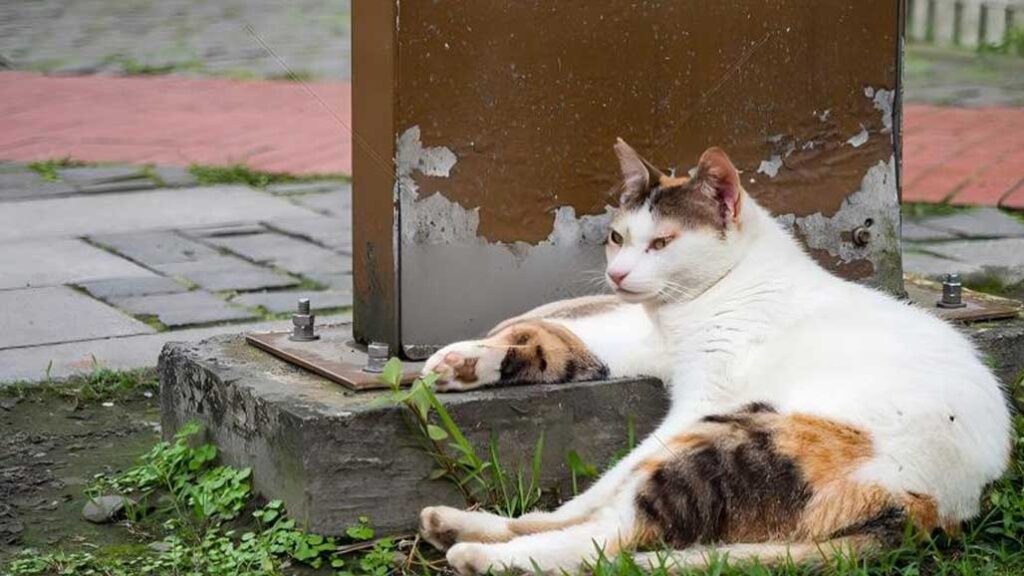
Before exploring deterrence methods, prioritize the core principle of “humane safety.” Cat intrusions typically stem from survival needs (e.g., foraging, shelter from rain) or natural instincts (e.g., scratching, territory marking), not deliberate provocation. Therefore, harmful methods like poisoned bait, traps, or sharp tools must be rejected. Such approaches not only violate public order and good customs but may also breach animal protection regulations and risk harming innocent parties like children or other pets. Effective deterrence strategies should prioritize “deterrence over harm.” By disrupting cats’ sensory experiences or interrupting their survival needs, we encourage them to voluntarily retreat, fostering harmonious coexistence between humans and cats.
Physical isolation offers the most direct and enduring deterrence, suitable for yards, balconies, vehicles, and other settings. Its core principle involves creating barriers that prevent cats from approaching or entering target areas. Isolation solutions must be tailored to specific scenarios to ensure effectiveness.
1. Yard/Garden Scenarios: Comprehensive Protection for Plants and Territory
Yards are prime entry points for cats, who may dig up plants, defecate indiscriminately, or even prey on birds. For this scenario, implement the following isolation measures:
First, install fencing or barrier netting. Opt for metal fencing over 1.5 meters tall, with the base buried 20-30 centimeters deep to prevent cats from tunneling underneath. If aesthetics are a concern, opt for invisible protective netting. Pair it with greenery for concealment—this preserves the garden’s appearance while providing effective barriers. Inspect existing fences for gaps and promptly repair any damage to prevent cats from slipping through.
Second, install protective barriers around flower beds and vegetable patches. To counter cats’ digging instincts, lay grid-patterned plastic netting or metal grating around plants. Choose mesh sizes too small for cat paws while allowing plant growth. Alternatively, cover soil with sharp yet harmless debris like gravel, pinecones, or eggshells. The discomfort from stepping on these will deter digging.
2. Indoor/Balcony Scenarios: Block Access Points to Safeguard Your Home
Cats entering indoor spaces or balconies may urinate or defecate indiscriminately, scratch furniture, or accidentally ingest hazardous items. Protection focuses on sealing all entry points:
Balconies and windows serve as primary entryways. Install security grilles or screens with fine-mesh metal to prevent cats from squeezing through. For open balconies, add glass partitions or folding screen doors to block cats while maintaining ventilation. Simultaneously, inspect hidden areas like door/window gaps, air conditioner unit openings, and pipe joints. Seal these with caulk, foam sealant, or wire mesh to prevent cats from slipping through.
If you have a pet door, replace it with a smart pet door that recognizes your pets via microchip or collar to prevent stray cats from entering. Additionally, avoid storing food, trash, or other cat-attracting items on the balcony to reduce their incentive to intrude.
3. Vehicle Scenarios: Prevent Cats from Climbing Cars to Protect Vehicle Safety
Cats often seek warmth or shelter under vehicles, or scratch on hoods and roofs, potentially damaging paintwork and wiring. Implement these protective measures:
Park in open, unobstructed areas whenever possible, avoiding locations near trash bins or grassy patches where cats congregate. Place foldable barriers around the vehicle or spray deterrent scents (detailed later) to create a protective zone. Before driving, honk the horn, tap the body, or open the hood to startle cats hiding underneath or in the engine compartment, preventing injury when starting the vehicle.
Cats possess an exceptionally keen sense of smell, dozens of times more sensitive than humans, and exhibit strong aversion to certain odors. Leveraging this trait, placing or spraying such scent substances in target areas gently repels cats without harming humans or animals, making it suitable for various scenarios.
1. Natural Plant Scents: Safe, Eco-Friendly for Homes and Gardens
Many plants emit odors that repel cats while offering ornamental value, making them ideal for gardens or indoor placement:
– Mint varieties are top choices; cats find their scent unpleasant and will actively avoid them. Additionally, plants like lavender, lemongrass, rosemary, garlic, and onions also repel cats. Plant these around garden borders or doorways to create a “scent barrier.” Indoors, place potted plants or hang dried plant branches to repel cats while purifying the air.
Note: Some plants (like garlic and onions) are toxic to cats. If you have a pet cat, avoid placing these plants where it can access them. Use them only in areas intended to repel stray cats.
2. Common Household Scents: Low-Cost, Easy-to-Use, Emergency Essentials
Creating scent repellents from common household items is inexpensive and simple, ideal for temporary or small-scale use:
Citrus scents (orange, lemon, grapefruit) rank among cats’ most disliked odors. Finely chop citrus peels and place them in areas cats frequent, such as balcony corners, garden flower beds, or around vehicles. Alternatively, steep citrus peels in water for 24 hours, strain the liquid, and store it in a spray bottle. Reapply every 2-3 days for optimal results.
Vinegar scents also effectively deter cats. Dilute white vinegar with water in a 1:1 ratio, spray it around door and window edges, near trash cans, or on vehicle tires. The pungent smell will make cats stay away. Additionally, placing alcohol, coffee grounds, or tea leaves in target areas can repel cats through their scents.
3. Specialized Scent Repellents: Highly Effective and Long-Lasting for Large Areas
For long-term, large-area repellency, opt for pet-specific scent repellents. These professionally formulated products exhibit stronger repellency to cats while remaining safe and non-toxic:
Select repellents containing menthol, citronellol, camphor, or similar ingredients. These components strongly irritate a cat’s sense of smell yet pose no harm to humans. Apply according to product instructions on target areas like yard fences, indoor doors/windows, or vehicle perimeters. A single application lasts 1-2 weeks, ideal for busy individuals. When purchasing, select reputable brands to avoid low-quality products containing toxic ingredients.
Cats are highly sensitive to sudden noises and flashing lights. Such stimuli cause them fear, prompting them to actively avoid the area. This sound and light deterrent method is suitable for outdoor settings like yards, garages, and vegetable gardens, and does not pollute the environment.
1. Sound Repellent: Startle intruding cats with sudden noises
Both manual and automatic sound repellents are available. Manual methods suit temporary deterrence, while automatic systems provide long-term protection:
Manual repellents include ultrasonic cat repellers, whistles, or bells. Upon detecting an intruding cat, blowing a whistle or shaking a bell creates a sudden noise that startles the cat into fleeing. Avoid repeatedly using the same sound to prevent adaptation; alternate between multiple sounds.
Automatic sound repellents offer greater convenience. For instance, motion-activated ultrasonic repellents can be installed in yards, garages, or similar areas. When a cat approaches, the device detects its movement and automatically emits ultrasonic waves. The ultrasonic frequency is harmless to humans and dogs but causes intense discomfort to cats, prompting them to retreat. Additionally, motion-activated sprinklers combine sound and water flow deterrents. When a cat approaches, the device emits an alarm sound and sprays water, creating a dual stimulus for enhanced repellency.
2. Light Deterrence: Creating an Unsettling Environment with Flashing Lights
Cats prefer dark, quiet spaces. Flashing lights disrupt their sense of security, achieving a deterrent effect. Ideal for nighttime use in areas like yards, garages, and balconies:
Install motion-activated strobe lights or solar-powered warning lights. These devices absorb solar energy during the day and automatically emit flashing light at night when cat activity is detected. The light intensity is moderate, avoiding disturbance to nearby residents while effectively startling cats. Alternatively, place reflective tape or mirror stickers in target areas to create a flashing effect through light reflection, which remains effective even during daylight hours. When using these, adjust the light angle to avoid direct glare into residents’ windows, which could disturb others’ rest.
Cats often enter an area because it fulfills their survival needs, such as foraging, drinking, or hiding. By modifying the environment to eliminate these needs, you can fundamentally reduce cat intrusions.
1. Remove Food and Water Sources: Eliminate Core Attractions
Food scraps in yards or on balconies, trash bins, and pet food are primary attractions for cats. Prompt cleanup is essential:
Regularly clear fallen leaves and weeds from yards to prevent food residue buildup. Use airtight trash bins with lids, placed indoors or in covered storage areas, to prevent cats from scavenging. If you have pets, promptly clean up leftover food and avoid feeding them outdoors to prevent food odors from attracting stray cats. Additionally, promptly repair leaking pipes in the yard to prevent water accumulation, cutting off cats’ water sources.
2. Eliminate Hiding Spots: Disrupt Cats’ Habitats
Cats prefer resting in dark, concealed areas like woodpiles, clutter piles, or shrubbery. Clear these zones promptly:
Organize yard clutter by storing woodpiles and crates in sealed storage rooms. Regularly trim shrubs and lawns, keeping vegetation below 30 cm to reduce hiding spots. Keep garages and basements tidy, avoid clutter accumulation, and seal hidden crevices in corners to prevent nesting.
Adjust deterrence methods based on cat type. For neighboring pets, balance effectiveness with neighborly relations; for strays, combine humane rescue efforts to avoid survival difficulties from excessive deterrence.
1. Neighbor’s Pet Cats: Gentle Communication + Physical Barriers to Prevent Conflict
If the disturbance comes from a neighbor’s pet cat, proactively communicate with the neighbor to explain the issue. Suggest they improve management practices, such as using leashes or installing cat fences. Simultaneously, implement physical barriers around your property—such as screens or fences—to prevent cat entry. This approach harms no cats while preserving neighborly relations. If communication yields no improvement, use scent repellents around your property to gently deter cats from approaching, avoiding aggressive methods that could provoke conflict.
2. Stray Cats: Humane Deterrence + Appropriate Assistance, Balancing Needs
Stray cat disturbances often stem from survival needs. While deterring them, appropriately consider their welfare. Beyond physical barriers and scent repellents, contact local animal rescue organizations to spay/neuter and vaccinate strays before placing them in shelters or promoting adoption. If feasible, provide limited food and water in public areas away from your home to guide strays toward designated zones, reducing disturbances.
Many people employ ineffective or harmful methods when repelling cats. Avoid the following pitfalls:
1. Using poisoned bait, pesticides, or toxic substances: These can poison and kill cats, accidentally harm children or pets, and violate regulations like the Animal Epidemic Prevention Law of the People’s Republic of China, leading to legal liability.
2. Using traps or sharp tools: These can cause fractures, severe injuries, or even permanent disability in cats. Such methods violate humane principles and may provoke public condemnation.
3. Excessive chasing or abuse: Frequent violent methods may trigger stress responses in cats, potentially making them aggressive and worsening the nuisance.
4. Relying on a single deterrent method: Long-term use of one approach allows cats to adapt, rendering it ineffective. Multiple methods should be alternated.
The core of cat deterrence lies in “humane safety and scientific effectiveness.” Establish protective barriers through physical isolation, disrupt sensory experiences using scent, sound, and light, and combine environmental modifications to eliminate survival needs. Alternating multiple methods effectively resolves cat intrusion while safeguarding their welfare. Additionally, tailored approaches should be adopted for different scenarios and cat types to prevent conflicts or harm.
May the methods shared here help you effortlessly resolve cat-related concerns. Remember, the goal of deterrence is to create a comfortable living environment, not to harm lives. Only by upholding humane principles can we achieve harmonious coexistence between humans and animals. Should you encounter special challenges during the process, adapt your approach to the specific situation or seek assistance from professional animal rescue organizations.



 Spanish
  English
  Arabic
  Russian
  German
  Portuguese
  French
  Italian