
Today, more and more families choose to keep pet dogs. They are not only our loyal companions but also indispensable members of the household. Yet behind the joy of dog ownership lie numerous challenges—accidental elimination, chewing furniture, bolting on walks, barking at strangers, guarding food, and destructive behavior. These common issues often leave new pet owners exhausted and even contemplating abandonment. In truth, all undesirable behaviors in dogs stem fundamentally from a lack of proper training. Training a dog is never about “taming” it, but rather about building trust and establishing clear rules through correct methods. This helps the dog understand what is acceptable and what is not, ultimately achieving a harmonious relationship between humans and dogs.
Many pet owners fall into a common misconception: believing training is “unnecessary” because dogs will naturally become obedient as they grow older. Others resort to punishment like hitting or scolding, which not only fails to correct problems but can make dogs fearful, rebellious, or even aggressive. In reality, scientific training is essential regardless of a dog’s breed, size, or age. Puppy training focuses on habit formation, adult dog training emphasizes behavior correction, and senior dog training prioritizes interactive companionship.
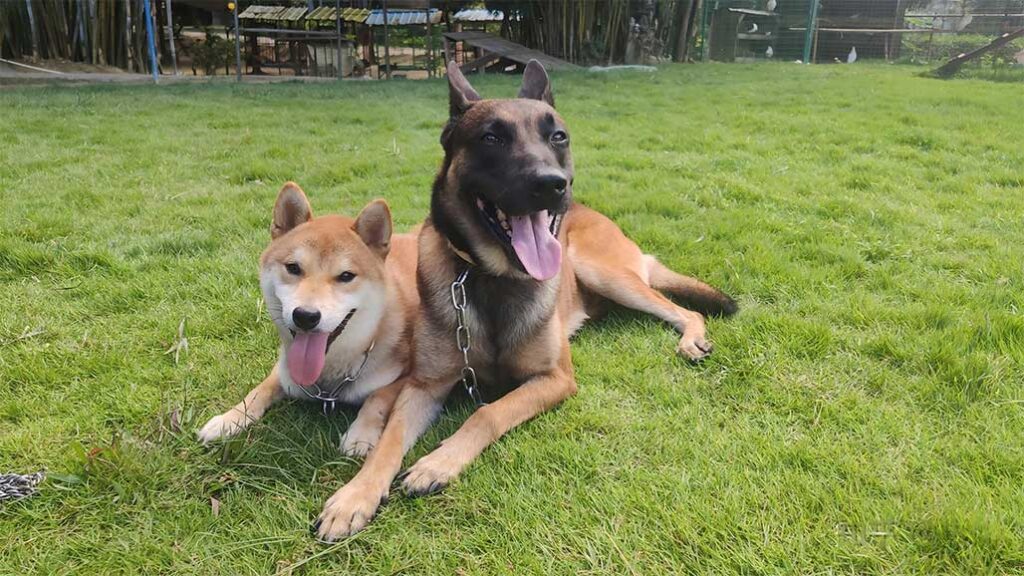
The core of training a pet dog lies in “building trust + positive reinforcement.” Preparations before training directly determine its effectiveness. Many new pet owners rush to teach commands like ‘sit’ or “shake hands” without laying the groundwork, leading to poor results and even resistance from the dog. Before formal training begins, owners should complete these 4 preparatory steps to lay a solid foundation for future sessions.
(1) Identify Optimal Training Moments to Avoid Ineffective Sessions
Puppies have limited attention spans, especially young ones. Overly long training sessions only lead to fatigue and irritability, undermining progress. Adjust training duration based on your dog’s age: – Puppies aged 3-6 months: 5-10 minutes per session, 2-3 times daily. This is the golden training period when puppies are highly curious, obedient, and quick to form conditioned responses. Allow rest and play after training to prevent stress from overexertion. For dogs aged 7-12 months, each session should last 10-15 minutes, 1-2 times daily. At this stage, dogs are full of energy, so training difficulty can be appropriately increased. For adult dogs over 1 year old, each session should last 15-20 minutes, once daily. The focus should be on reinforcing training achievements and correcting undesirable behaviors.
Choosing the right training timing is also crucial. It’s recommended to train when the dog is energetic and emotionally stable, such as one hour after meals or half an hour after playtime. Avoid periods when the dog is hungry, sleepy, overly excited, or fearful—hunger will focus their attention on food, sleepiness will make them listless, excitement will make them difficult to control, and fear will cause resistance to training, all of which will affect training effectiveness. Additionally, when bringing home a new puppy, allow a 7-10 day buffer period without any formal training. Focus on building trust through feeding and play, helping the puppy associate “owner = safety and joy.” This foundation will make subsequent training much smoother.
(2) Prepare Appropriate Training Tools; Avoid “Punitive Tools”
Suitable training tools make training more efficient and gentle, preventing harm to the dog. New pet owners need not prepare overly complex equipment. Core tools fall into three main categories, with supplementary tools added as needed:
1. Reward Tools: Training centers on positive reinforcement, making reward tools essential. Recommended items include treats your dog loves (e.g., freeze-dried or jerky, cut into soybean-sized pieces to prevent overeating and affecting meals), favorite toys (e.g., chew toys or squeaky toys for dogs less interested in treats), verbal praise (“Good dog!” “Great job!”), and physical reassurance (petting, hugging). When rewarding, ensure treats are small and easy to chew for prompt delivery, and avoid frequent use to prevent picky eating or weight gain. Toys can be incorporated during interactive training to enhance engagement.
2. Leash Equipment: A leash is essential for outdoor and obedience training. Prioritize a harness over a collar to prevent neck injury, especially for small/medium dogs and puppies. Keep leash length around 1.5 meters—longer lengths hinder control, while shorter lengths restrict movement and cause discomfort. Always use a leash during outdoor training to prevent escapes and protect others or animals from potential aggression.
3. Behavioral Tools: Address specific issues with targeted tools. For furniture chewing, apply bitter-tasting chew deterrent strips to edges to create aversion. For dogs that relieve themselves indoors, use pet pads or litter trays to guide them toward designated bathroom areas. Additionally, ultrasonic repellents serve as practical tools—not only deterring stray dogs during outings to protect owners and pets, but also aiding in correcting unwanted behaviors like excessive barking or lunging during training. Their advantages will be detailed later.
(3) Standardize Training Commands and Gestures to Avoid “Dog Confusion”
Dogs have limited comprehension and cannot discern complex language. They rely on simple commands and gestures, combined with their owner’s tone and facial expressions, to interpret intentions. Therefore, before training begins, commands and gestures must be standardized, and all family members must maintain consistency. Avoid situations like “you say ‘sit down,’ family members say ‘sit properly,’” or ” you use gestures while family members use verbal commands.” Such inconsistencies confuse dogs, leaving them unsure whose instructions to follow and severely undermining training effectiveness.
Choose concise, clear, and easy-to-pronounce words for commands, such as “Sit,” “Down,” “Come,” “No,” and “Quiet.” Avoid complex sentences and never arbitrarily change commands once established—stick with the same ones consistently. Gestures should be simple and exaggerated for clear visibility. For example: – Raise your hand for “Sit” – Press your palm downward for ‘Down’ – Wave your hand for “Come” When giving commands, use a firm yet gentle tone—neither overly harsh nor excessively soft. Harshness may frighten the dog, while excessive softness may lead the dog to perceive the command as unimportant, undermining the training’s effectiveness.
(4) Adjust Your Mindset: Maintain Patience and Persistence
Training a pet dog is a long-term process that cannot be rushed, especially for new owners. It’s crucial to adjust your mindset, maintain sufficient patience and persistence, and avoid expecting immediate results. Different breeds and temperaments exhibit varying learning abilities and receptiveness. For instance, breeds like Border Collies and Golden Retrievers possess higher intelligence and strong learning capabilities, potentially mastering a simple command within days. Conversely, breeds such as Huskies and Corgis, known for their lively, playful natures and short attention spans, may require weeks or even months to solidify training results.
During training, your dog may repeatedly make mistakes or resist cooperation. At these times, owners must remain patient. Avoid scolding or punishing the dog; instead, guide them patiently and repeat the training. Every time your dog performs the correct behavior, reward them promptly to reinforce positive actions. Whenever they make a mistake, stop them immediately and redirect them using the correct method, helping them understand where they went wrong. Remember, the goal of training is to cultivate good habits in your dog, not to pursue “quick fixes.” With persistence, you will undoubtedly see positive changes in your dog.
Training pet dogs requires adherence to the principles of “gradual progression and tailored instruction.” Develop a phased training plan based on the dog’s age and developmental stage, advancing from foundational habit formation to advanced skill training and behavioral refinement. This approach progressively enhances the dog’s obedience and behavioral competence. Training priorities vary by stage, allowing owners to flexibly adjust content and difficulty based on their dog’s individual needs.
(1) Foundational Obedience Stage (3-6 months): Focus on establishing good habits and building a solid training foundation
The 3-6 month period is the golden training window for puppies. During this stage, puppies exhibit high curiosity and receptiveness to training, making them highly responsive to conditioning. The primary focus is on establishing essential daily habits and foundational obedience, helping the puppy adapt to family life, understand basic rules, and prevent the development of undesirable behaviors. There are five core training subjects, each requiring repeated practice to ensure mastery.
1. Recall Training: Ensuring the dog responds to its name and immediately returns to the owner
Recall is the most fundamental and crucial training exercise. It not only strengthens the bond between owner and dog but also enables the dog to be retrieved promptly if it wanders off or encounters danger, ensuring its safety. The training method is straightforward and easy for novice owners to implement:
Primer paso: Choose a short, easy-to-pronounce name like “Doudou” or “Maomao.” Avoid overly long or complex names to facilitate your dog’s memorization.
Segundo paso: Prepare treats your dog loves. In a quiet, distraction-free home environment, randomly call your dog’s name. As soon as your dog looks at you, immediately say “Good dog!” and offer a treat while gently petting its head to encourage the behavior.
Paso 3: Gradually increase difficulty by calling the name while the dog is playing or moving. Reward promptly if the dog stops and looks at you. If ignored, gently clap or shake the treat to attract attention—never yell or chase the dog.
Repeat this training about 30 times daily for 3-5 days. The dog will develop a conditioned response that “hearing its name = something good is coming.” Then gradually transition to training in outdoor environments with distractions to reinforce the behavior. Note: Never call the dog’s name when it misbehaves, as this will associate its name with “punishment” and cause it to ignore the call.
2. Potty Training: Say Goodbye to Messes and Keep Your Home Clean
Potty training is the top concern and most pressing issue for new pet owners. Dogs don’t relieve themselves randomly out of mischief; they simply haven’t developed proper habits and don’t know where it’s acceptable to go. Training focuses on “precise guidance + immediate rewards.” Here’s how:
Primer paso: Select a consistent bathroom location, such as the bathroom or balcony. Place a pet pad or litter tray there. Avoid changing locations frequently to prevent confusion.
Segundo paso: Observe your dog’s elimination patterns. Dogs typically relieve themselves 15-30 minutes after meals, upon waking, or after play. When you notice elimination cues like sniffing the ground, circling in place, or tail lifting, immediately carry your dog to the designated spot. Gently hold their shoulders and allow them to relieve themselves on the pad or tray.
Paso 3: If your dog successfully relieves itself at the designated spot, immediately say “Good dog!” and offer a treat while petting it to reinforce the association that “relieving here earns a reward.” Step 4: If your dog accidentally relieves itself elsewhere, avoid scolding or blaming them. Do not let them sniff the mess, as this reinforces the wrong behavior. Instead, promptly clean the area with a pet-safe deodorizer to completely eliminate odors and prevent the dog from choosing that spot again.
During training, repeated accidents may occur. Owners must remain patient. Consider restricting the dog’s movement (e.g., using a playpen near the designated area) and track defecation times for precise guidance. Typically, consistent training for 1-2 weeks will establish the habit of designated bathroom breaks. Puppies, in particular, learn faster and show more noticeable results.
3. Leash Walking Training: No More Pulling for Stress-Free Walks
Many pet owners face this frustration: when walking their dog, it surges forward violently, pulling so hard the leash hurts their hand or even drags them to the ground. This not only ruins the walking experience but also risks the dog breaking free, running off, or causing conflicts with other dogs or pedestrians. Leash Walking Training teaches dogs to consistently walk beside their owner—either on the left or right side—without pulling ahead or tugging on the leash, while obeying commands. The training method is as follows:
Primer paso: Secure a chest harness and leash, allowing the dog to acclimate to the leash. Begin training in a quiet indoor environment. Walk at a steady pace. If the dog naturally follows beside you without pulling, reward with a treat every 10-20 meters to reinforce the desired behavior.
Segundo paso: Gradually increase difficulty. When the dog pulls ahead or tugs on the leash, gently pull the leash backward while giving the “heel” command to bring the dog back beside you. Once the dog walks calmly beside you, resume walking and offer a treat.
Paso 3: Avoid “tug-of-war” with your dog. Many owners pull forward forcefully when their dog tugs, trying to control them. This actually reinforces the dog’s mistaken belief that “pulling = moving forward,” causing them to pull harder. The correct approach is to immediately stop walking when the dog pulls. Only resume walking and offer a reward once the dog calms down and releases the leash. This teaches the dog that “only by not pulling can the walk continue.”
After mastering this indoors, transition to outdoor environments with distractions like parks or streets. Gradually expose your dog to external sounds, crowds, and other dogs to reinforce the training. Typically, consistent practice over 2-3 weeks will establish a habit of walking alongside without pulling, resulting in a more docile and obedient dog during outings.
4. Sit and Stay Training: Cultivating Patience to Prevent Impatience
Sit and stay training not only builds your dog’s patience but also lays the groundwork for advanced commands like waiting before meals or before leaving the house, preventing impatient behaviors like food grabbing. This simple method is ideal for new pet owners:
Primer paso: Prepare a treat your dog loves. Hold the treat above its head and slowly move it backward. The dog will naturally lift its head to follow the treat, causing its hindquarters to settle onto the ground. The moment its rear touches the ground, immediately give the “Sit!” command, offer the treat, and pet the dog to encourage compliance.
Segundo paso: Gradually increase the waiting time. Start with 2-3 seconds, then slowly extend to 5 seconds, then 10 seconds. If the dog maintains the sit position without getting up, reward them. If the dog gets up immediately after sitting, do not reward them. Guide the dog back into the sit position and repeat the training.
Paso 3: Expand training scenarios. Before feeding, place the food bowl on the ground, hold the dog’s shoulders, and give the “Sit” and “Stay” commands. Have the dog maintain the sitting position for 3-5 seconds before giving the ‘Eat’ command to allow eating. Before leaving home, have the dog sit and wait by the door. Once the owner is ready, give the “Go” command to take the dog out. Through multi-scenario training, help your dog master the “sit and wait” command and develop patience.
5. Preventing Chewing Training: Protecting Furniture and Clothing, Avoiding Accidental Bites
Dogs chewing on furniture, shoes, or clothing troubles many pet owners, especially with puppies in their teething phase. Their gums feel itchy, and they may relieve discomfort by biting objects. Without timely training, this can become a bad habit and even lead to accidental bites. The core of anti-chewing training is “distraction + positive redirection,” implemented as follows:
Primer paso: Provide chew toys specifically for your dog, such as rubber chews, rubber toys, or canvas toys. Place them in easily accessible areas so your dog can relieve discomfort by chewing on them when experiencing teething itchiness.
Segundo paso: When you see your dog approaching off-limits items (like slippers, furniture, or clothing), immediately say “No!” while redirecting its attention with the chew toy. Guide the dog to the toy and encourage it to chew on it.
Paso 3: If your dog voluntarily bites the chew toy, immediately say “Good dog” and offer a treat reward. This reinforces the correct behavior, teaching your dog that “biting toys = reward, biting other items = no attention.” Step 4: Avoid directly stopping the dog with your hands to prevent accidental bites. If the dog has already bitten a forbidden item, gently tap its mouth (use light pressure to avoid hurting the dog) while saying “No!” and quickly replace the forbidden item with a toy.
Additionally, apply bitter-tasting anti-chew patches to the edges of forbidden items. The unpleasant taste will deter the dog from chewing them. For puppies in the teething phase, increase interactive playtime with toys. Spend more time playing with your dog to expend its energy and reduce unwanted chewing. Consistently practice this for 1-2 weeks, and your dog will develop the habit of “chewing only toys, not other items.”
(2) Advanced Skills Phase (7-12 Months): Enhancing Interaction and Reinforcing Obedience
Dogs aged 7-12 months are energetic and highly trainable. After mastering basic obedience, they can advance to skill-building training. The focus here is on improving coordination and interaction between dog and owner, learning practical skills, reinforcing foundational obedience, and correcting recurring behaviors from earlier training. Four core training subjects are recommended; choose based on your dog’s interests and learning ability.
1. Down and Stay Training: Advanced Obedience for Enhanced Control
Building upon the “Sit and Stay” command, this training increases difficulty by teaching the dog to transition from sitting or standing to lying down upon command and maintain the position. This further develops obedience and control, ideal for outdoor or public settings to prevent uncontrolled movement.Training method:
Primer paso: Have the dog sit. Hold a treat in front of its nose and slowly lower it toward the ground, guiding the dog’s body to lie down. When the dog’s belly fully touches the ground and assumes a lying position, immediately call the “Down!” command, give the treat, and pet the dog to encourage it.
Segundo paso: Gradually extend the waiting time from 5 seconds to 30 seconds, then 1 minute. Reward the dog if it maintains the down position without rising. If the dog gets up, re-guide it into the down position and repeat the training.
Paso 3: Increase difficulty by introducing “distance waiting.” After the dog lies down, the owner steps back 1-2 meters. If the dog maintains the position without following, double the reward upon returning. Gradually increase the distance to enhance obedience. Use soft treats (like beef jerky) to prevent dropping during training, which could disrupt progress.
2. Fetch Training: Enhance Interaction and Build Focus
Fetch training not only boosts bonding fun between owner and dog but also hones the dog’s concentration and responsiveness. It’s ideal for medium to large breeds; smaller dogs can use smaller objects. Training method:
Primer paso: Prepare a toy your dog enjoys (e.g., rubber ball, canvas frisbee, plush toy). Ensure the toy is appropriately sized—neither too large nor too small—to prevent difficulty in picking up or accidental swallowing.
Segundo paso: Wave the toy in front of the dog to capture its attention. When the dog shows interest in biting the toy, give the “fetch” command and offer the toy for the dog to pick up.
Paso 3: If the dog successfully picks up the toy, use a treat to guide it to release it upon your “drop” command. Immediately reward the dog (treat + toy interaction) after it releases the toy to reinforce the correct behavior.
Paso 4: Gradually increase the difficulty. Start with retrieving from close range, then extend to 1 meter, then 3 meters, having the dog run to retrieve the toy and bring it back to you. Later, introduce “designated retrieval” where the dog fetches specific items to enhance focus and responsiveness. During training, protect the dog’s mouth by avoiding overly hard objects. Medium to large breeds can begin training around 8 months old, while small breeds may start later.
3. Refusal Training: Ensuring Dog Safety and Preventing Ingestion of Hazardous Items
Refusal training is a crucial advanced exercise that effectively safeguards your dog’s safety. It prevents accidental ingestion of toxic substances, spoiled food, or treats offered by strangers outdoors, which could pose serious risks. The core principle is teaching your dog that “only food given by the owner is acceptable”—treats from strangers or found on the ground are off-limits. The training method is as follows:
Primer paso: In a quiet home environment, hold a treat and say the “No eating” command while placing the treat in front of the dog. If the dog remains still and does not attempt to eat it, wait 3 seconds before handing the treat to the dog while saying “Good dog” to encourage compliance.
Segundo paso: Gradually increase difficulty by having a family member act as a “stranger” offering treats. The owner stands nearby and commands “No treat!” If the dog refuses the stranger’s treat, the owner immediately gives double the reward. If the dog accepts the treat, do not scold or punish it; instead, redirect and repeat the training.
Paso 3: Transition to outdoor settings. Place treats (e.g., sausage, kibble) on the ground and guide the dog to walk past without touching them. Reward promptly if successful. Gradually increase treat appeal to simulate complex outdoor scenarios and reinforce training. Progress steadily—avoid rushing, especially with food-motivated dogs who may require more time. Owners must remain patient.
4. Quiet Command Training: Correcting Excessive Barking to Avoid Disturbing Neighbors
Excessive barking is a common undesirable behavior, especially when the doorbell rings, strangers pass by, or during nighttime rest. It not only disturbs neighbors but may also make the dog agitated. Quiet command training teaches the dog to stop barking upon hearing the “Quiet” command, fostering good quiet habits suitable for both home and public settings. The training method is as follows:
Primer paso: When barking occurs (e.g., doorbell rings or strangers pass by), gently pat your dog’s back while saying “Quiet” in a firm yet gentle tone. Avoid loud scolding, which may intensify barking.
Segundo paso: Immediately after the dog stops barking for 1-2 seconds, say “Good dog!” while offering a treat and petting the dog to reinforce the association that “stopping barking earns a reward.”
Paso 3: Practice prevention. For instance, when the doorbell rings, first guide the dog to “sit.” If the dog doesn’t bark, reward it promptly to avoid correcting after barking occurs. During nighttime rest, if the dog barks excessively, gently soothe it while giving the “Quiet” command to calm it down. During training, avoid rewarding barking or scolding the dog, as this reinforces unwanted vocalization. Consistently apply these methods for 2-3 weeks, and the dog will develop the habit of stopping barking upon hearing the “Quiet” command.
(3) Behavior Optimization Phase (1 year and older): Correcting Problem Behaviors for Harmonious Coexistence
Adult dogs over 1 year old have mastered basic obedience and advanced skills. Training now focuses on correcting common problem behaviors (such as bolting, food guarding, destructive chewing, jumping on people, etc.). Additionally, teaching trick commands can enhance human-dog interaction and foster a harmonious relationship. At this stage, the dog’s personality is largely set, requiring greater patience and persistence to correct behaviors. The core approach is “identifying the root cause + positive guidance,” avoiding blind punishment.
1. Leash Pulling Correction: Completely Resolving the Problem of Pulling on Leashes
Many adult dogs, despite having undergone leash training, still exhibit leash pulling when encountering interesting stimuli outdoors (such as other dogs, strangers, or small animals). This primarily occurs because the dog’s attention is distracted by external stimuli, making it difficult to control their emotions. The correction method is as follows:
Primer paso: Before leaving, have the dog sit and wait at the door. Only proceed once the dog is calm, preventing excitement from triggering pulling.
Segundo paso: During walks, if your dog shows signs of lunging (e.g., leaning forward or tugging on the leash), immediately stop in your tracks. Simultaneously give the “heel” command while gently pulling the leash backward to bring your dog back to your side. Once your dog calms down and stabilizes its emotions, resume walking and offer a reward.
Paso 3: For severe pulling, use the “halt method” with the leash. When the dog lunges, quickly tighten the leash to stop its forward momentum. Once the dog stops struggling and calms down, release the leash tension, resume walking, and offer a treat. This teaches the dog: “Pulling = No progress; Calm following = Continue walking.” Additionally, spend more time playing with your dog outdoors to burn off excess energy, reducing the likelihood of pulling due to restlessness.
2. Correcting Food Guarding: Preventing Aggression and Ensuring Safety
Food guarding is an instinctive behavior. Many dogs won’t tolerate anyone or any animal approaching while eating. If someone gets close, they may bare teeth, growl, or even attack. This not only risks harming family members or strangers but also damages trust between the dog and its owner. The core of correcting food guarding is teaching the dog that “when the owner approaches, it’s not to take food away, but to bring something good.” Specific methods are as follows:
Primer paso: Start with treats and toys. During mealtime, instead of placing all food in front of the dog at once, feed in multiple small portions. Each time you offer food, gently stroke the dog’s head to help it get used to your presence. Say “Good dog” to encourage it, reinforcing that “owner’s approach means more food.”
Segundo paso: Gradually increase proximity and movements. While the dog is eating, slowly approach and place your hand near the food bowl. If the dog shows no guarding behavior, offer an extra treat reward. If the dog barks or growls, immediately stop approaching. Do not scold or take away the bowl. Wait until the dog finishes eating before restarting the guidance.
Paso 3: Involve family members in the training. While the dog is eating, family members can take turns approaching and offering treats. This helps the dog adapt to different people getting close and reduces its instinct to guard food. During training, maintain patience and avoid rushing the process. Do not provoke the dog, as this may intensify guarding behavior. Typically, consistent training for 1-2 months will lead to noticeable improvement in food guarding.
3. Correcting Destructive Behavior: Protecting Household Items and Reducing Damage
Adult dogs engage in destructive behavior primarily for two reasons: first, excess energy that cannot be adequately expended, leading them to relieve boredom by destroying items; second, separation anxiety, where loneliness and fear upon the owner’s departure cause them to shift focus through destruction. Correcting this behavior requires targeted solutions, as follows:
For destruction caused by excess energy: Take the dog for daily walks and play sessions lasting at least one hour. Incorporate activities like fetch or obedience training to burn off energy. Provide plenty of chew toys and interactive toys at home. When the owner is busy, let the dog relieve boredom by playing with toys instead of destroying furniture. Additionally, spend more time interacting with your dog through games or skill training to strengthen your bond and reduce feelings of boredom.
For destruction caused by separation anxiety: Before leaving home, avoid showing signs of reluctance to prevent triggering anxiety in your dog. Leave treats or toys in easily accessible spots to redirect their attention. Gradually increase the time spent away from home, starting with 5-10 minutes and extending to 30 minutes or an hour, allowing the dog to adapt to the owner’s absence and reduce separation anxiety. If the dog engages in severe destructive behavior, use a playpen to restrict its movement while the owner is away, preventing damage to valuable items. Simultaneously, gradually increase the time the playpen is open to help the dog adjust.
4. Correcting Jumping Behavior: Preventing Scratches and Bites
Jumping on people is a common social behavior for dogs, expressing enthusiasm and affection. However, for humans—especially the elderly and children—it can lead to scratches or bites, posing safety risks. Correcting this behavior centers on teaching the dog that “jumping = no reward, staying calm = reward.” Specific methods include:
Primer paso: When the dog lunges, immediately step back to avoid contact while firmly saying “No!” in a decisive tone. Avoid loud scolding, petting, or hugging the dog to prevent it from associating lunging with attention.
Segundo paso: Once the dog settles down and stands on all four paws, immediately say “Good dog” while offering a treat and petting the dog to encourage calm behavior. This reinforces that “staying calm earns rewards.”
Paso 3: Involve family and friends in the training. When the dog lunges, everyone should respond identically: step back, say “No,” and reward the dog only after it calms down. This reinforces the understanding that “lunging at anyone gets no attention; staying calm earns rewards.” Simultaneously, redirect the dog’s attention with commands like “Sit” or “Down” when it’s overly excited to minimize jumping behavior. Consistently applying this approach for 1-2 weeks will significantly improve the dog’s jumping habits.
Many new pet owners, despite knowing training methods, still encounter various problems during actual training sessions, leading to poor results or even counterproductive outcomes. This is primarily because owners overlook core training techniques and fall into common pitfalls. Below, we summarize the essential techniques for dog training while avoiding common mistakes, helping owners improve training efficiency and quickly raise well-behaved dogs.
(1) Core Training Techniques: 4 Key Points for Greater Efficiency
1. Prioritize Positive Reinforcement, Reject Punishment: The core of dog training is “positive reinforcement.” Every time your dog performs a correct behavior, promptly reward them (treats, toys, verbal praise, physical reassurance) to reinforce the desired action. For incorrect behavior, promptly redirect the dog using proper guidance—never resort to hitting, scolding, or punishment. Positive reinforcement fosters joy in training, encouraging voluntary cooperation, while punishment breeds fear, resistance, and may even trigger aggression.
2. Keep commands concise and tone firm: Dogs have limited comprehension, so commands must be brief, clear, and easy to pronounce. Avoid changing them arbitrarily, and ensure all family members use consistent commands. Deliver commands with a firm yet gentle tone—neither overly harsh nor excessively soft—so the dog understands the seriousness of the command while sensing the owner’s goodwill.
3. High frequency, short duration: Dogs have limited attention spans. The key to training is “high frequency, short duration.” Train daily, adjusting each session’s length based on the dog’s age to avoid overtraining, fatigue, or irritability. Repeat training consistently, especially for basic commands. Only through repetition can dogs master commands and solidify their learning.
4. Tailor training to individual needs: Different breeds and temperaments have varying learning abilities and receptiveness. Owners should adapt training content, difficulty, and pace based on their dog’s specific traits, avoiding rigid imitation of others’ methods. For instance, lively and playful dogs may benefit from more engaging training activities to capture their attention. Timid or sensitive dogs require reduced stimulation and frequent encouragement to build confidence.
(2) Common Training Pitfalls: 90% of Beginners Fall Into These Traps—Avoid Them Immediately
1. Rushing for Instant Results: Many new owners expect their dog to master all commands and correct all bad behaviors quickly. When the dog repeats mistakes or refuses to cooperate, they lose patience and resort to scolding or hitting. In reality, training a pet dog is a long-term process requiring patience and persistence. Different dogs learn at different speeds, so owners should proceed step by step without rushing for quick fixes.
2. Inconsistent Commands Confuse Dogs: When multiple family members train a dog, using different commands creates confusion. For example, if you say “Sit down” while another family member says “Sit nicely,” or if you use hand signals while others use verbal commands, the dog becomes uncertain whose instructions to follow, severely hindering training progress. Before training begins, standardize all commands and hand signals, ensuring everyone uses the same approach.
3. Rewarding at the wrong time reinforces undesirable behavior: Many owners give treats at inappropriate moments, like when the dog jumps up to be petted. This leads the dog to mistakenly associate “jumping up = getting a treat,” making the behavior worse. Others scold or hit their dog after a mistake, then offer treats as consolation. This teaches the dog that “punishment followed by treats” is a routine, encouraging intentional misbehavior for attention. The key to rewarding is to give treats the instant the dog performs the correct behavior. Delaying even one second reduces the reward’s effectiveness.
4. Over-training causes stress in dogs: A dog’s energy and attention span are limited, especially for puppies. Excessively long training sessions can lead to fatigue, irritability, and even stress reactions like vomiting, food refusal, timidity, or defiance. The optimal training rhythm involves 3-4 short sessions daily, interspersed with play and rest. This balance of work and relaxation achieves the best training results.
5. Punitive training undermines trust: Many owners resort to physical punishment, electric shocks, or prong collars to correct misbehavior. Such methods inflict physical and psychological harm, causing timidity, anxiety, and aggression. They also destroy trust between owner and dog, contradicting the principles of scientific training.
6. Limited training environments hinder skill retention: Many owners train their dogs exclusively in quiet home settings. Once exposed to distracting outdoor environments, dogs often forget commands and refuse to cooperate. Training should progressively expand settings—transitioning from calm home environments to outdoor parks, streets, and other distracting locations—to acclimate dogs to diverse scenarios and solidify learned behaviors.
During pet dog training, beyond fundamental methods and techniques, a suitable auxiliary tool can make training more efficient and hassle-free. As a gentle yet effective tool, ultrasonic dog repellents not only help owners deter stray dogs during outdoor activities, safeguarding both owner and pet, but also assist in correcting undesirable behaviors like excessive barking or lunging during training—making them invaluable companions for pet owners. Many pet owners misunderstand ultrasonic dog repellents, believing they harm dogs. This is not the case. High-quality ultrasonic repellents utilize scientific ultrasonic technology, offering numerous advantages aligned with positive reinforcement training principles.
The core benefits of ultrasonic dog repellents are primarily the following four points, making them especially suitable for owners with outdoor activity needs or dogs exhibiting excessive barking or jumping behaviors:
1. Gentle and Harmless, Aligned with Positive Training Principles: The ultrasonic frequency emitted by these devices exceeds 20kHz—a range inaudible to humans but clearly perceptible to dogs. This frequency causes no harm to a dog’s ears or body, only inducing mild discomfort to distract them. Compared to punitive tools like electric shock collars, it is gentler, more humane, and aligns with the core principle of “positive guidance” in scientific training, preserving trust between pet owners and their dogs.
2. Simple Operation, Portable and Easy to Carry: High-quality ultrasonic dog repellers feature a portable, rechargeable design that is lightweight and compact. They can be easily carried during training sessions or walks without taking up space. A single charge provides extended usage, making them highly convenient. Operation is extremely straightforward—simply press the button to emit ultrasonic waves. No complex setup is required, making it easy for even novice pet owners to use. When your dog exhibits undesirable behaviors like excessive barking or lunging, quickly press the button to distract the dog and assist in correcting the behavior.
3. Versatile for Multiple Scenarios, Combining Training and Protection: The ultrasonic dog repeller boasts broad applicability. It aids in training by correcting unwanted behaviors like excessive barking, jumping, or chasing. For instance, when your dog barks excessively outdoors, pressing the button emits an ultrasonic signal to stop the barking. Pairing this with a “quiet” command reinforces training effectiveness. It can also be used during outdoor activities like commuting, night runs, or morning walks. The high-powered ultrasonic waves effectively deter stray or wild dogs from a distance, preventing them from chasing or biting pet owners and dogs, thereby enhancing personal and canine safety. It is particularly suitable for solo walkers and owners of small breeds.
4. Training Aid for Enhanced Efficiency: The ultrasonic dog repeller serves as an excellent training supplement for correcting pet dog behaviors. For instance, when a dog exhibits behaviors like lunging at people or chasing, verbal commands alone may prove ineffective. Activating the ultrasonic repeller at such moments emits a sound that quickly interrupts the undesirable behavior and distracts the dog. Following this, proper guidance can be provided to help the dog understand its actions are incorrect, thereby accelerating training efficiency and making behavior correction faster and more effective.
It’s important to note that ultrasonic dog repellents are only supplementary tools and cannot replace scientific training methods. Pet owners should combine their use with foundational training and positive reinforcement, avoiding overreliance. Only through this approach can optimal training results be achieved, helping dogs develop good behavioral habits. Additionally, when selecting an ultrasonic repellent, choose products manufactured by reputable companies with guaranteed quality to avoid purchasing substandard items that could harm your dog.
Training a pet dog is never a simple task. It demands patience, persistence, and love from pet owners, but even more so, it requires scientific methods and correct principles. Whether it’s establishing basic habits for puppies or skill training and behavior correction for adult dogs, the core principle remains “building trust and positive guidance.” Reject punishment, tailor training to the individual dog, and proceed step by step. Only then can dogs experience the joy of training, willingly cooperate, and develop good behavioral habits.
Ultrasonic dog repellents serve as gentle, effective tools that offer convenience and protection during training and outdoor outings. However, their primary function remains supplementary to training—they cannot replace the owner’s companionship and guidance. The purpose of dog ownership extends beyond having a companion; it is a journey of mutual growth and healing—you train your dog with patience and love, and your dog repays you with loyalty and companionship.May this dog training guide assist new pet owners in avoiding common pitfalls, mastering scientific training methods, and understanding the advantages of ultrasonic dog repellents. By utilizing these tools wisely, you can train an obedient, well-behaved, and affectionate companion. Wishing every pet owner a harmonious bond with their dog, finding greater joy and warmth in each other’s company.



 Spanish
  English
  Arabic
  Russian
  German
  Portuguese
  French
  Italian