
Fox infestations are becoming increasingly common in suburban areas, rural courtyards, and around livestock farms. These alert and cunning mammals not only damage crops and prey on poultry but may also leave foul odors and spread pathogens, causing significant disruptions to daily life and agricultural production. When confronted with fox disturbances, many people either panic or resort to ineffective methods that may even violate relevant laws. This article provides detailed solutions to the core question of “how to deter foxes.” Combining scientific, humane, and legal principles, it compiles multiple practical methods applicable to various settings—including home gardens, farms, and farmlands—while avoiding common pitfalls. This guide helps you permanently eliminate fox disturbances and safeguard the cleanliness and safety of your living environment.
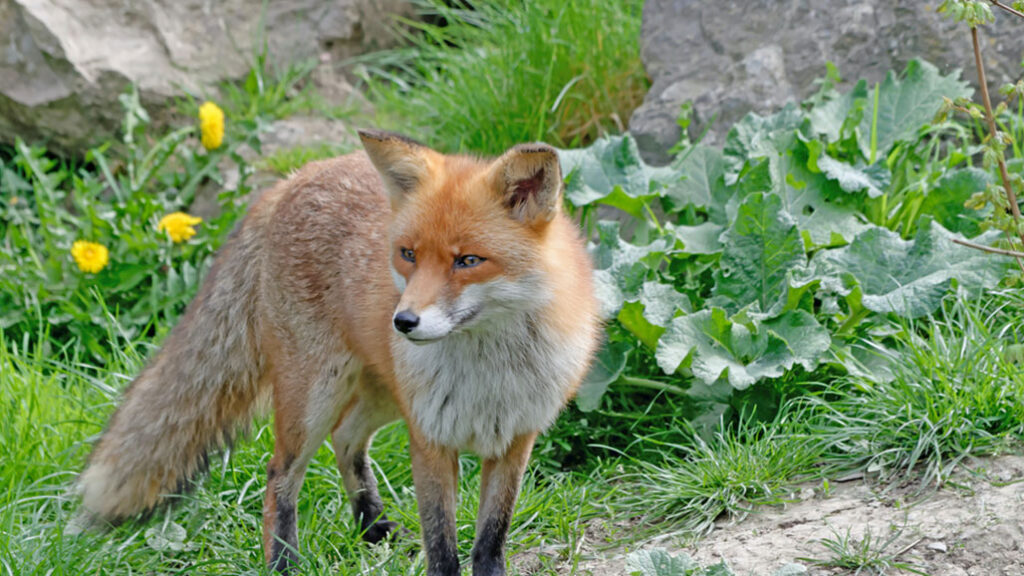
To effectively deter foxes, one must first comprehend the reasons for their presence and potential hazards to develop targeted solutions. Foxes are highly adaptable omnivores that prey on rodents, birds, and insects while also scavenging plant fruits and discarded human waste. They excel at exploiting resources within human habitats, which is the primary reason for their frequent appearance in populated areas.
1. Common Reasons for Fox Presence
Foxes have a wide range of habitats. Whether in urban parks, suburban yards, rural farmlands, or livestock farms, they are drawn wherever ample food sources and concealed shelter exist. Key reasons include:
(1) Food Attraction: This is the primary factor. Pet food left out in residential yards, unsealed trash bins, fallen fruit, unprotected poultry like chickens and ducks on farms, crops and melons in fields, and even organic matter in compost piles all serve as potential food sources for foxes. Foxes possess an exceptionally keen sense of smell, capable of detecting food odors from several kilometers away. Once they discover a consistent food source, they will frequent the area regularly and may even establish a den there.
(2) Suitable Shelter: Foxes prefer secluded, quiet, undisturbed locations for nesting, such as piles of debris in yards, under balconies, corners of sheds, shrubbery around farmland, or abandoned burrows. If these areas are not promptly cleared or sealed off, they can easily become fox “safe havens.” This is especially true during the breeding season (February to May each year), when foxes become more active to guard their dens and pups.
(3) Reduced Human Disturbance: As urban green spaces expand and rural ecosystems improve, fox habitats have gradually increased. Concurrently, heightened public awareness of wildlife conservation has lowered foxes’ wariness. They no longer deliberately avoid humans and may even approach populated areas to forage. Additionally, some residents release foxes indiscriminately, leading to localized population surges and increased nuisance incidents.
2. Primary Hazards of Fox Intrusions
Though seemingly docile, foxes possess destructive and dangerous tendencies. Their harm manifests primarily in four areas, which are also the key reasons people urgently seek solutions on “how to repel foxes”:
(1) Property Damage: Foxes gnaw on plants, trees, vegetables, and fruits in gardens; they dig soil to hunt for insects or buried food, leaving lawns and flower beds riddled with holes; When infiltrating farms, they prey on poultry and livestock like chickens, ducks, and rabbits, causing economic losses. One resident reported losing all five chickens overnight to fox attacks, suffering significant damage. Additionally, foxes may chew through plastic water pipes and polyethylene tunnels, disrupting daily life.
(2) Disease Transmission: Foxes carry various pathogens and parasites. Their feces and urine may contain rabies virus, toxoplasma, fleas, mites, and other contaminants. Contact with humans or pets can lead to disease transmission. Households with elderly individuals, children, or pets face heightened risks. Additionally, fox feces emit a foul odor that pollutes the environment. Foxes often deposit feces in conspicuous locations to mark their territory, severely impacting residential comfort.
(3) Disruption to Daily Routines: Foxes are highly active at night, especially during breeding season, emitting sharp cries that disturb sleep. Their frequent presence in yards and on balconies also causes unease among residents.
(4) Potential Personal Risk: While foxes generally do not proactively attack humans, they may exhibit defensive aggression when startled or threatened—especially when protecting their young. Their claws and teeth can inflict serious injuries. Children and pets are particularly vulnerable to startling or attacks. Furthermore, foxes may steal human food, indirectly posing food safety risks.
Before learning “how to repel foxes,” it is essential to understand the core principles—legality, humanity, and sustainability. Many people, eager to resolve fox disturbances, resort to extreme methods like poisoning or trapping. Not only do these violate humanitarian principles, but they may also breach relevant laws and regulations, leading to penalties.
Therefore, the core principle of fox repelling is: do not harm the foxes. Instead, make them feel uncomfortable and voluntarily leave by altering the environment, using physical barriers, scent deterrents, or sound disturbances. Simultaneously, cut off their food sources and habitats at the root to achieve long-term repelling. This approach protects human rights while safeguarding the survival of wildlife.
Additional Note: If a fox exhibits abnormal behavior (such as lethargy, aggressive attacks on humans, or suspected illness), do not attempt to remove it yourself. Immediately contact local wildlife protection authorities for professional handling to avoid safety risks.
Fox activity varies across different environments, leading to distinct intrusion patterns and threat levels. Consequently, repellent methods should be tailored accordingly. Below are specific, actionable repellent approaches for three common scenarios: residential yards, farms, and agricultural fields. These methods span physical barriers, scent deterrents, sound repellents, and environmental modifications. Users can flexibly combine techniques based on their specific situation to efficiently address the challenge of “how to repel foxes.”
(1) Residential Yards: Focus on Intrusion Prevention and Odor Removal
Residential yards are among the most frequently targeted areas by foxes, especially those with pets or planted flowers/vegetables. The core strategy involves: cutting off food sources + sealing off shelter spaces + deterrent repellents, while maintaining safety and aesthetics.
1. Environmental Modification: Eliminate Fox Presence at the Source
Foxes enter yards primarily for foraging and shelter. Therefore, modifying the environment to ensure “no food to eat, no nest to stay in” is the most fundamental and long-lasting approach.
(1) Eliminate Food Sources:
① Never leave pet food exposed outdoors. Whether cat food, dog food, or bird feed, bring it indoors at night to prevent foxes from scavenging.
② Use tightly sealed trash bins with secure lids. Regularly clean food scraps around bins to avoid odors attracting foxes.
③ Harvest fruits and vegetables promptly from gardens; promptly clean up fallen fruits and vegetable leaves to deny foxes opportunities.
④ Avoid compost piles in gardens. If composting is necessary, use sealed compost bins and regularly turn and disinfect the contents to minimize odor dispersion.
(2) Seal off potential hiding spots:
① Inspect fences and walls around your yard, sealing all gaps (especially near ground level). Foxes are flexible and can squeeze through openings as small as 3 cm in diameter, so ensure gaps are no wider than 2 cm. ② Seal spaces beneath patios, sheds, and storage piles using materials like wire mesh or wooden boards to block these concealed areas and prevent foxes from nesting there;
③ Clear debris piles, dead branches, and fallen leaves from the yard. Trim overly dense shrubbery to reduce fox hiding spots. By eliminating cover, foxes will naturally avoid the area.
2. Physical Deterrents: Simple, Easy to Implement, and Immediate Results
Physical deterrents primarily involve creating barriers and visual stimuli to make foxes perceive danger and avoid approaching the yard. This method is suitable for quickly repelling foxes from residential gardens.
(1) Install fox-proof fencing: If your yard has a fence, add coyote rollers or extend barbed wire outward (approximately 30 cm) along the top. Foxes are skilled climbers, and these additions prevent them from scaling the fence into your yard. If no fence exists, construct a barrier at least 1.8 meters tall. Bury the base 20-30 cm underground to prevent foxes from burrowing through. Ensure mesh openings do not exceed 3 cm to block foxes from squeezing through.
(2) Visual Deterrents:
① Hang reflective items such as polyester film balloons, reflective strips, or CDs. Secure them to fences or tree branches. When wind blows, they reflect light and sway. Foxes are sensitive to bright light and moving objects, mistaking them for danger and avoiding the area.
② Place lifelike predator models, such as owl, wolf, or dog replicas, in prominent locations within the yard. Rotate their positions periodically (to prevent foxes from becoming accustomed) to exploit their natural fear of predators and create a deterrent effect.
③ Install motion-activated lights. When foxes approach at night, the lights automatically illuminate. The bright light startles the foxes while also alerting the owner to their presence.
3. Odor Deterrence: Utilizing scents foxes detest for long-lasting repellency
Foxes possess an exceptionally keen sense of smell and exhibit strong aversion to certain odors. By leveraging this trait, placing repellent-scented items at strategic points in your yard can achieve sustained deterrence. These methods are harmless to humans and pets, making them ideal for household use.
(1) Natural Odor Repellents:
① Garlic and Onion: Finely chop garlic and onions, mix with water in a spray bottle, and apply to fences, entrances, flower beds, etc. The pungent odor causes discomfort, prompting foxes to retreat.
② Citrus Peels: Dry orange, tangerine, or grapefruit peels, grind them into powder, and scatter in garden corners. The fresh citrus scent is harmless to humans but strongly repels foxes, providing effective deterrence.
③ White Vinegar or Apple Cider Vinegar: Mix white vinegar or apple cider vinegar with water in a 1:1 ratio. Spray it in areas where foxes frequently appear, or place rags or old socks soaked in the vinegar near fences or dens. The lingering scent will deter foxes long after application.
④ Used cat litter: Foxes are sensitive to cat scent. Scattering used cat litter around the yard simulates a cat’s presence, deterring foxes from approaching. However, ensure it is replaced promptly to prevent unpleasant odors from affecting the living environment.
(2) Commercial repellents: Purchase specialized fox repellents (e.g., capsaicin-based formulas). These cause mild irritation to fox eyes, noses, and mouths, effectively driving them away while remaining harmless to humans and pets. Apply as directed to key garden areas and reapply regularly to maintain deterrence. Avoid using mothballs or ammonia, as these chemicals are harmful to humans and animals and offer limited deterrent effectiveness.
4. Sound Deterrents: Disrupt fox activity to prevent lingering
Foxes prefer quiet environments and are highly sensitive to sudden, persistent sounds. Sound interference can make them feel uneasy, prompting them to leave the yard voluntarily.
(1) Simple Sound Devices:
① Hang wind chimes. The crisp sounds produced by wind passing through them decorate the yard while deterring foxes.
② Place a radio tuned to a channel with human voices or conversations. Set the volume to moderate levels and play continuously to simulate human activity. Hearing voices, foxes may mistake the presence for humans and avoid approaching.
③ Install motion-activated sound devices around the perimeter. When a fox approaches, the device automatically emits a piercing sound (such as ultrasonic waves or an alarm) to startle it. Ensure the volume isn’t too loud to avoid disturbing neighbors.
(2) Ultrasonic Fox Repellents: Currently the most common repellent tool for home gardens. These devices emit high-frequency ultrasonic waves that stimulate the fox’s auditory system, causing discomfort. However, ultrasonic waves are harmless to humans and pets (such as cats and dogs), making them suitable for long-term use. Opt for motion-activated ultrasonic repellers, such as PIR-sensor-equipped fox deterrents. These detect fox movement and body heat to automatically trigger ultrasonic waves. with extended battery life (approximately 4-6 months) and adjustable frequency settings. It effectively repels foxes, cats, rodents, and other pests. Installation is straightforward—simply insert into the ground or mount on fences—enabling 24/7 operation. Suitable for large, medium, and small gardens.
(II) Livestock Farms: Prioritizing Predator Control and Safety Assurance
Livestock farms (poultry farms, rabbit farms, pig farms, etc.) are major hotspots for fox infestations. Foxes prey on domestic animals, causing significant economic losses to farmers. Core Strategy: Strengthen physical barriers + implement comprehensive deterrents + assign dedicated patrols to prevent foxes from entering breeding areas and safeguard livestock security.
1. Reinforce Physical Barriers: Construct a “protective net” to block fox entry
Physical barriers around farms are paramount. They must be comprehensive and leave no gaps to prevent foxes from slipping through.
(1) Construct fox-proof fencing: Erect fencing at least 2 meters high around the farming area. Use wire mesh (with mesh size no larger than 2 cm). Bury the base 30-40 cm underground, with the buried section extending outward 20 cm to prevent foxes from digging tunnels. Install outward-extending wire mesh (approximately 50 cm) atop the fence or install coyote rollers to prevent foxes from climbing over. Reinforce the main gate with a double-door system, keeping it securely closed at all times to prevent foxes from entering through gaps.
(2) Protecting Livestock Shelters: Install wire mesh over all doors, windows, and vents in livestock shelters, with mesh openings no larger than 2 cm to prevent foxes from squeezing through. Pour concrete at the shelter base or seal it with wooden boards and wire mesh to prevent foxes from burrowing underneath. At night, herd poultry and livestock into sheds, close all doors and windows, and reinforce shed doors to prevent nocturnal fox predation.
(3) Physical Barriers: Dig shallow trenches (approx. 30 cm deep, 40 cm wide) around the farming area. Fill trenches with gravel to hinder fox digging and reduce their chances of entering. Simultaneously, plant thorny vegetation (e.g., roses, Sichuan pepper trees, cacti) around the perimeter or install spiked fencing like cactus-style fox deterrent spikes. Foxes will be injured upon contact and deterred from approaching.
2. Comprehensive Deterrence: Combining Multiple Methods to Enhance Repellent Effectiveness
For larger farms, single repellent methods have limited effectiveness. Combine olfactory, auditory, and visual deterrents to achieve comprehensive deterrence, preventing foxes from approaching.
(1) Odor Deterrence:
① Regularly spray capsaicin-based repellents or white vinegar solution around fences and barn entrances, or scatter crushed garlic and citrus peels to create an odor barrier. Foxes will actively avoid the area upon detection.
② Place rags or old clothing soaked in dog urine around the farming area. As dogs are natural predators of foxes, the scent will make foxes mistakenly believe dogs are present, deterring them from approaching;
③ Regularly clean manure and debris from the farming area, disinfecting and sterilizing to reduce odors and prevent attracting foxes seeking food.
(2) Audible Deterrence:
① Install multiple motion-activated sound devices and ultrasonic fox repellers around the breeding area, such as ultrasonic fox deterrents or spray-type garden protectors, covering the entire zone. When foxes approach, these devices automatically emit ultrasonic waves, alarm sounds, or spray water to startle them away;
② Assign personnel for night patrols equipped with flashlights and walkie-talkies. Generate noise to disrupt fox activity while promptly detecting and repelling approaching foxes;
③ Play recordings of dog barks and wolf howls in a loop around the breeding area. Exploit foxes’ instinctive fear of predators for deterrence. Rotate recordings periodically to prevent adaptation.
(3) Visual Deterrence:
① Hang reflective strips, polyester film balloons, and simulated predator models (e.g., fake owls, fake wolves) around fencing and on shed roofs. Rotate their positions regularly to maintain a constant sense of danger for foxes;
② Install surveillance cameras and motion-activated lights. When foxes approach at night, the lights automatically illuminate while cameras capture real-time footage. This both startles foxes and enables farmers to promptly detect anomalies and take action.
3. Daily Management: Reduce Attractions, Strengthen Patrols
(1) Strengthen Feed Management: Never store feed outdoors; keep it in sealed warehouses to prevent foxes from being attracted by the scent. After feeding, promptly remove any leftover feed to deny foxes opportunities. Dead poultry or livestock within the breeding area must be promptly cleared, deeply buried, or incinerated to prevent foxes from scavenging and to curb the spread of pathogens.
(2) Intensify Patrols: Especially at night (peak fox activity period), assign dedicated personnel to inspect fencing and shelter integrity, promptly identifying and sealing gaps or vulnerabilities. If fox tracks are found, avoid approaching them directly. Instead, use loud shouts or waving tools to deter them. Contact professionals for assistance if necessary.
(3) Employ guard animals: Keep several guard dogs (such as sheepdogs or native breeds) within the farming area. Guard dogs exert a strong deterrent effect on foxes, effectively preventing them from approaching the farm. Additionally, train these dogs to familiarize them with the farming area, enabling them to promptly detect and chase away foxes, thereby enhancing protection.
(4) Farmland: Focus on Damage Prevention and Crop Protection
Crops and fruits in farmland are prime targets for foxes, which may gnaw on plants or dig up soil, leading to reduced yields. Core Approach: Environmental Modification + Physical Barriers + Scent Deterrence, balancing agricultural production with long-term repellency.
1. Physical Barriers: Simple and Practical Solutions to Reduce Damage
(1) Install Simple Fencing: Construct wire mesh fencing at least 1.5 meters high around farmland, burying the base 20 centimeters underground to prevent foxes from digging under. Ensure mesh openings are no larger than 3 centimeters to block foxes. For smaller plots, plastic netting offers a low-cost, easy-to-install alternative with adequate protection.
(2) Cover with Protective Netting: For fruit and berry crops (e.g., watermelons, strawberries, grapes), cover crops with protective netting. This prevents both fox and bird predation without hindering crop growth. Secure the netting firmly to prevent wind-induced lifting, which could provide foxes with an opportunity to access crops.
2. Odor Deterrence: Low-cost, easy-to-implement solution suitable for farmland
(1) Odor Repellents: Scatter crushed garlic, onions, or citrus peels around farmland and between crop rows. Alternatively, spray white vinegar or chili water (made by boiling chili peppers in water at a 1:10 ratio, then cooling and spraying). These odors effectively repel foxes without harming crops or yields. Reapply repellents regularly to maintain effectiveness.
(2) Burning Straw Odor: Ignite straw around farmland (exercise fire safety precautions to prevent wildfires). The smoke and odor from burning straw effectively repel foxes. Alternatively, spread the ashes from burned straw around the farmland; the odor of straw ash also serves as a deterrent.
3. Environmental Management: Reducing Fox Foraging and Shelter Opportunities
(1) Promptly Clear Croplands: After harvesting crops, promptly remove straw, weeds, and fallen fruits from fields to reduce food sources for foxes. Simultaneously, clear abandoned burrows and thickets to reduce fox habitats, discouraging lingering near farmland.
(2) Strategic Planting: Plant thorny vegetation (e.g., Sichuan pepper trees, cacti) around fields to create natural barriers. Foxes will be deterred by prickles and avoid approaching. Additionally, avoid piling garbage or feed near fields to reduce food temptations for foxes.
(3) Collaborative deterrence: If multiple farmers’ fields face fox disturbances, unite efforts to collectively erect fences, spray repellents, and play deterrent sounds. This creates a comprehensive deterrence network, enhancing effectiveness and reducing fox intrusions.
Many people fall into misconceptions when attempting to repel foxes, which not only fails to deter them effectively but may also endanger human and pet safety, or even encourage more frequent intrusions. Below are the four most common pitfalls to avoid:
Misconception 1: Using Poison or Traps to Capture Foxes
This is the most dangerous and inadvisable method. Poison may be accidentally ingested by pets or poultry, leading to poisoning and death, while also contaminating soil and water sources, harming the ecological environment. Traps not only injure foxes but also pose a significant risk of accidentally harming humans or pets, creating major safety hazards.
Misconception 2: Believing “One Drive-Away Is Enough”
Foxes are highly cunning and adaptable. Single-method or one-time disperse efforts rarely succeed in permanently deterring them. If foxes are merely temporarily driven away without addressing the root causes—cutting off their food sources and eliminating their habitats—they will quickly return. They may even become more wary and harder to disperse. Therefore, persistent, long-term efforts combining multiple methods are essential to achieve lasting results in fox control.
Misconception 3: Using Chemicals Like Mothballs or Ammonia Water
Many believe the scent of mothballs or ammonia water repels foxes. However, these chemicals are harmful to both humans and animals, irritating respiratory tracts and skin, and potentially causing poisoning. Moreover, their repellent effect is limited. Once foxes adapt, they become unaffected, while the lingering odors can disrupt human living environments.
Misconception 4: Actively attacking foxes
Foxes generally do not attack humans proactively. However, when startled or threatened, they may exhibit defensive aggression. Pursuing or striking a fox not only risks bites or scratches but may also violate wildlife protection laws. Such actions heighten the fox’s wariness, making future deterrence more difficult. When encountering a fox, maintain distance and avoid approaching. Use loud noises or bright lights to scare it away.
Even with deterrent measures in place, foxes may suddenly enter yards, farms, or fields. Stay calm and follow these steps to ensure your safety while effectively repelling the fox:
1. Maintain distance, do not approach: Upon encountering an intruding fox, remain calm and keep at least 5 meters away. Avoid loud noises, chasing, or striking the fox to prevent provocation and potential attacks. Immediately move children and pets to a safe area to prevent injury.
2. Use available tools to deter: If the fox is within your yard or farm, create a sense of danger by shouting loudly, waving sticks or brooms, activating motion-sensor lights, using ultrasonic fox repellents, or playing intimidating sounds to prompt its departure. Alternatively, spray pre-prepared chili pepper water or white vinegar solution to drive it away.
3. Seal exits to prevent re-entry: While repelling the fox, inspect surrounding fences, doors, windows, and gaps. Seal any openings promptly to prevent re-entry through cracks or holes. If the fox escapes, immediately clean its feces and urine, disinfect the area, and eliminate odors to discourage its return.
4. Seek professional assistance for unusual situations: If foxes exhibit abnormal behavior (e.g., lethargy, aggressive attacks on humans, suspected illness) or if repellent efforts prove ineffective—resulting in prolonged presence or frequent disturbances—immediately contact local wildlife protection authorities or specialized wildlife management agencies. Allow professionals to handle the situation; never attempt DIY solutions to avoid safety hazards and legal risks.
Through the above content, you should now grasp the core methods for “repelling foxes.” The key to effective fox repellency isn’t “one-time eradication,” but rather “long-term prevention” and “comprehensive deterrence.” This involves: while also combining physical, scent-based, and sound-based deterrents to make foxes “perceive danger.” Simultaneously, strictly adhere to relevant laws and regulations, insisting on humane removal methods that protect both your own rights and the survival safety of wildlife.
Whether in home gardens, farms, or fields, fox deterrence requires sustained effort. Methods should be adjusted based on fox activity patterns to prevent adaptation to single approaches. Sharing experiences and coordinating efforts among neighbors can enhance deterrence effectiveness.
Final reminder: While foxes may cause disturbances, they are also vital components of ecosystems, playing a role in controlling populations of pests like rodents and insects. As we deter foxes, we must respect wildlife’s right to exist, striving for harmonious coexistence between humans and nature. This approach safeguards our living and working environments while preserving reasonable habitats for wildlife.



 English
  Arabic
  Spanish
  Russian
  German
  Portuguese
  French
  Italian