
How to Get Rid of Indoor Spiders? 6 Practical Methods to Easily Say Goodbye to Spider Troubles. During hot and humid seasons, many people spot spiders in bedroom corners, bathroom nooks, or living room ceilings—some quietly perched on webs, others scurrying across walls, and occasionally even dropping from above, sending hearts racing. In reality, indoor spiders often appear because the environment suits their survival. While most are harmless, they can still cause psychological discomfort. Today, we’ll detail common indoor spider types, their potential impacts, and 6 efficient, safe removal methods to help you eliminate indoor spider troubles once and for all.
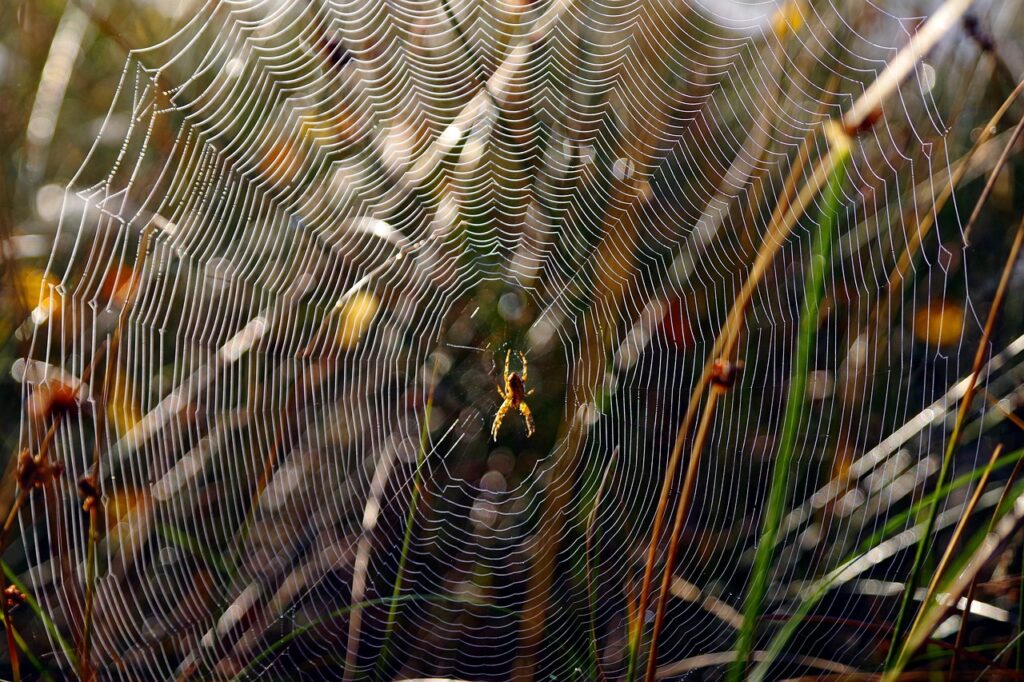
Before attempting to remove spiders, familiarize yourself with the characteristics of common indoor species. This prevents unnecessary panic and allows for targeted removal methods.
1. The 3 Most Common “Harmless Spiders” Indoors
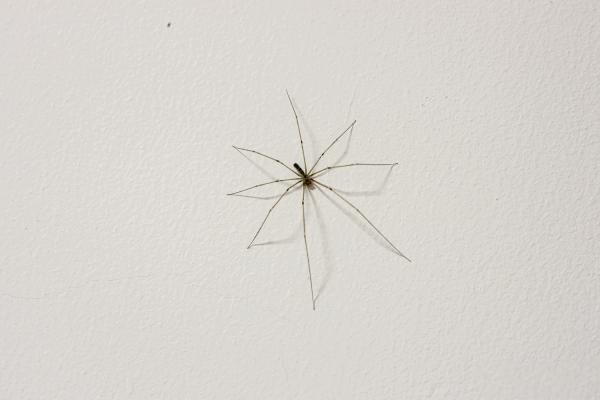
① Ghost Spider: Slender body (approx. 2-8 mm), extremely long legs. Often found in bathroom and kitchen corners, preying on mosquitoes and small flying insects. Their venom is weak, they do not actively attack humans, and they can even help reduce indoor flying insects.
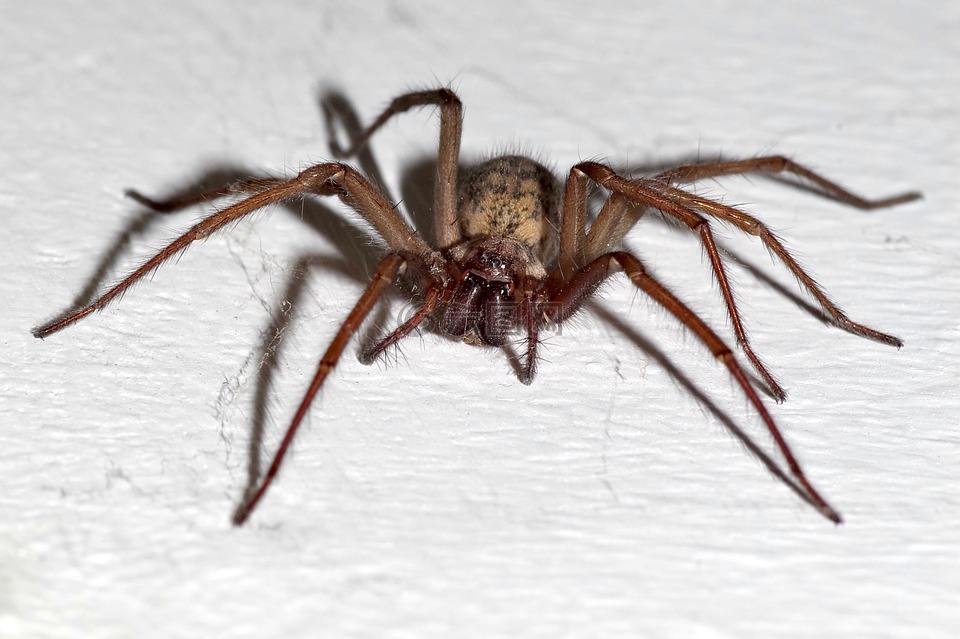
② House Corner Spider: Medium-sized (about 5-10 mm), typically grayish-brown, prefers weaving irregular “messy webs” in corners and on windowsills. Also feeds on small insects and poses no threat to humans.
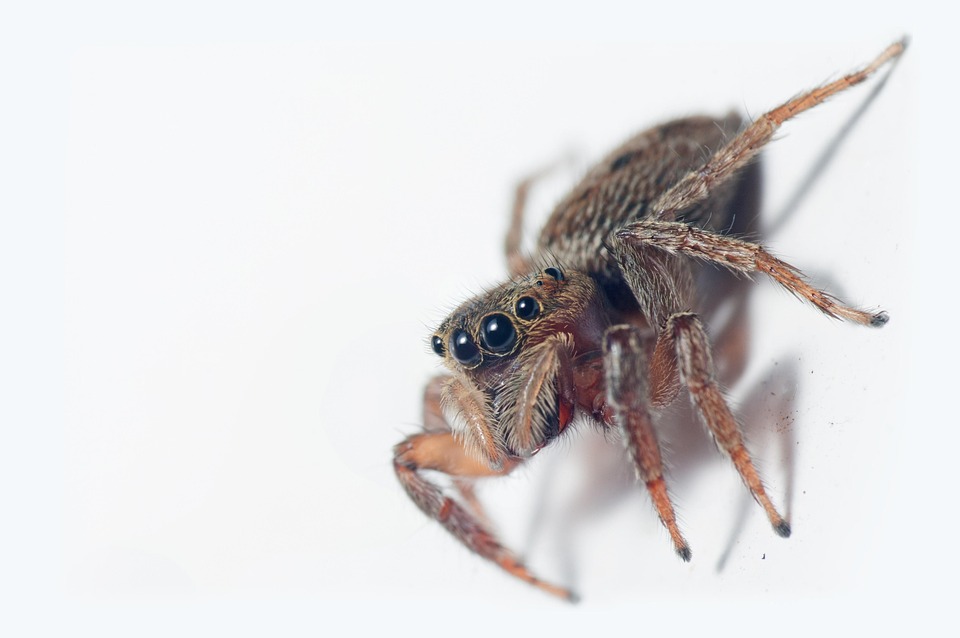
③ Jumping spiders: Tiny (about 1-5 mm), with large round eyes. They leap but don’t spin webs, often appearing near window panes or desks. They prey on aphids, thrips, and other small insects. They have a docile nature and won’t bite.
2. “A Few Venomous Spiders” to Watch Out For
Venomous spiders rarely appear indoors. However, in humid areas, be mindful of black widow spiders (distinguished by a red hourglass mark on their abdomen) or brown recluse spiders (brownish-gray bodies with a violin-shaped mark on their backs). These spiders often hide in deep corners of wardrobes, basements, or discarded cardboard boxes. If bitten, symptoms like redness, swelling, and pain may occur, requiring prompt medical attention. However, there’s no need for excessive worry—they typically avoid entering clean, well-maintained homes and are extremely rare.
The core principle of indoor spider control is “prevention over treatment”—blocking entry points at the source and reducing food sources is the fundamental way to prevent spider infestations.
1. Seal Entry Points: Prevent Spiders from Crawling Inside
① Inspect Door and Window Gaps: Use caulk to fill window gaps and the space between door frames and floors. Pay special attention to screens—replace any torn screens immediately to prevent spiders from crawling through.
② Seal pipe and wiring holes: Use fireproof putty or sealing foam to block connections between plumbing/gas pipes and walls in bathrooms/kitchens, as well as holes where electrical/network cables pass through walls. These are common “entry points” for spiders.
③ Clear outdoor surroundings: If your home has balconies or plants near windowsills, regularly trim branches and foliage to prevent them from touching windows. Simultaneously clear clutter from balcony corners (e.g., cardboard boxes, old flower pots) to reduce outdoor “resting spots” for spiders and prevent their entry through balconies.
2. Reduce “Food Sources”: Make Indoor Spaces “Insect-Free” for Spiders
Spiders primarily enter homes to hunt insects. Reducing indoor insect populations eliminates their reason to stay.
① Maintain indoor dryness: Regularly use dehumidifiers to lower humidity in bathrooms and kitchens (ideally between 50%-60%). Mosquitoes, moths, and other insects thrive in damp environments, so dry conditions curb their breeding.
② Promptly clean food residues: Wash dishes immediately after meals to avoid leaving food scraps on tables; store opened snacks in sealed containers to prevent attracting ants, cockroaches, and other insects.
③ Use mosquito traps: Place silent mosquito traps in living room and bedroom corners (choose quiet models to avoid sleep disruption). Running them overnight traps mosquitoes and small flying insects, reducing spiders’ food sources.
If spiders are found indoors, prioritize physical removal methods. No chemical agents are required, ensuring greater safety for family members and pets.
1. Vacuum Cleaner “Quick Clean”: Remove spiders and webs together
Steps: Attach a narrow nozzle to the vacuum cleaner. Aim at the spider and web (avoid sucking directly at the spider to prevent startling it into escape). Slowly approach and suck up the spider and web together. After cleaning, remove the vacuum bag, seal it tightly, and dispose of it in an outdoor trash bin (avoid emptying indoors to prevent spiders from crawling back).
Suitable for: Removing spiders and webs from ceilings, high corners, and small spiders in floor crevices.
2. Insect Net + Glass Jar “Gentle Transfer”: Harmless to Spiders
Procedure: To avoid harming spiders, gently cover them with a long-handled insect net. Position a glass jar (with a piece of cardboard placed over the opening beforehand) over the net opening and slowly guide the spider into the jar. Secure the cardboard lid, then carry the jar outdoors (to grassy areas or woods far from residences). Open the jar and allow the spider to exit freely.
Precautions: Avoid squeezing the jar during transfer to prevent injury. For larger spiders (e.g., leg span exceeding 5 cm), wear thin gloves to prevent “scratches” from spider legs (most spiders are non-venomous, but their legs carry fine hairs that may cause mild skin irritation).
3. Wet Cloth “Wiping Method”: Suitable for removing small spiders from walls and furniture.
For small spiders clinging to walls, desks, or wardrobe surfaces, gently wipe them with a damp cloth (wrung until no water drips). The spider will stick to the cloth. Then submerge the cloth in water for 5 minutes (to ensure the spider is dead and cannot crawl back), wash the cloth, and air-dry it.
If there are multiple spiders indoors (e.g., three or more found simultaneously) or webs that are difficult to remove physically, chemical agents may be used appropriately, but safety precautions must be strictly followed.
1. Insecticides: Targeted spraying for rapid spider elimination
Type Selection: Prioritize “pyrethroid” insecticides (e.g., cyfluthrin, deltamethrin). These agents exhibit strong toxicity to spiders while being low-toxicity to humans. Avoid purchasing insecticides containing “organophosphate” components (e.g., dichlorvos), which are highly toxic and unsuitable for indoor use.
Application Method: Close all doors and windows before spraying. Remove elderly individuals, children, and pets from the area. Shake the insecticide well, then target corners where spiders are likely to be found (e.g., wardrobe crevices, bathroom corners, window sill gaps). Spray 2-3 times per location (avoid overuse to prevent residue buildup). After spraying, close doors and windows for 30 minutes. Then open them for 1-2 hours to ventilate. Allow family members to re-enter only after the odor has completely dissipated.
Precautions: Do not spray directly onto food, tableware, or toys. Wash hands promptly after spraying to avoid contact with the agent. Store the product in a cool, dry place inaccessible to children and pets.
2. Insect Powder: Long-lasting prevention by blocking spider pathways
Suitable for: Sprinkling along spider “traffic routes” like door/window crevices, baseboards, and wardrobe gaps to create a “chemical barrier” that prevents spiders from crossing.
Usage: Select repellent powder containing “boric acid” or “diatomaceous earth” (low toxicity to humans, effective against spiders and cockroaches). Use a small spoon to scoop a small amount and sprinkle it evenly along baseboards to form a thin powder line (approximately 1-2 cm wide). Reapply every 1-2 weeks, and reapply if exposed to water.
Precautions: Avoid application in areas where pets frequently roam (e.g., near litter boxes) to prevent accidental ingestion. Exercise caution in households with asthma sufferers to avoid respiratory irritation from the powder.
If concerned about chemical residue, leverage spiders’ aversion to specific odors by crafting natural “repellents”—ideal for households with pregnant women, infants, or pets.
1. Peppermint Oil + Water: DIY “Spider Repellent Spray”
Principle: Spiders have sensitive olfactory senses. The menthol component in peppermint oil irritates their nervous system, causing them to actively avoid the area.
Preparation: Fill a 500ml spray bottle with 450ml water. Add 10-15 drops of pure peppermint oil (avoid peppermint flavoring, which is less effective). Shake well to mix.
Application: Spray along door/window gaps, wall corners, wardrobe surfaces, desk edges, and other spider-prone areas. Spray 1-2 times weekly to maintain the scent and effectively deter spiders from entering.
2. White Vinegar + Lemon Slices: Low-Cost “Pest Repellent Wonder”
Principle: The acidic scent of white vinegar and the citrus aroma of lemon are both odors spiders dislike. Combining them enhances the repellent effect.
Preparation: Pour half a cup of white vinegar into a bowl, add 2-3 slices of fresh lemon (or orange), soak for 1 hour, then pour the liquid into a spray bottle (strain out lemon slices to prevent clogging the nozzle).
Usage: Spray on bathroom tile grout, under kitchen sinks, window sill edges, and similar areas. Not only does it repel spiders, but it also eliminates odors, leaving a subtle lemon fragrance indoors.
3. Cedarwood Blocks / Dried Lavender Flowers: Long-lasting “Scent Barrier”
Suitable for: Closets, drawers, bookshelves, and other enclosed spaces. Repels spiders and prevents insect infestation.
Usage: Place 2-3 cedar blocks (available online or at pet/plant stores) in wardrobe corners, replacing every 3-6 months as the scent fades. Alternatively, display a small bunch of dried lavender on bookshelves—its fragrance repels spiders while freshening the air.
Many people find spider traces reappearing after removal because they lack consistent upkeep. Implement these three steps to maintain a spider-free home:
1. Regular Deep Cleaning: Monthly removal of potential spider habitats
Dust ceilings, chandeliers, and wall corners monthly with a feather duster to clear cobwebs (even if no spiders are present, as residual webs attract them).
Regularly organize clutter in closets, bookshelves, and balcony corners to prevent accumulation of cardboard boxes and old clothing (favorite nesting spots for spiders).
Focus cleaning on “hidden areas” like under refrigerators, behind washing machines, and near outdoor air conditioners—these dust-prone, rarely-cleaned spots are prime spider hideouts.
2. Regularly inspect “protective measures”: quarterly, repair any “gaps”
Quarterly, inspect door and window seals. If sealant peels or screens tear, repair or replace immediately.
Check outdoor balcony and windowsill plants for excessive growth. Trim branches or leaves touching windows promptly.
For floor drains (especially in bathrooms and kitchens), install “odor-proof and insect-proof drain inserts” to prevent spiders from crawling up through pipes.
3. Maintain “Good Habits”: Small Daily Actions Reduce Spider Intrusion
Minimize direct indoor lighting shining outside at night (especially white light), as it attracts mosquitoes, moths, and other insects—which in turn draw spiders. If lighting is necessary, draw curtains or use warm yellow light (less attractive to insects).
Promptly clear standing water from balconies and windowsills after rain to prevent mosquito breeding, which provides “food” for spiders.
When bringing items indoors from outside (e.g., delivery boxes, houseplants, used furniture), first tap and inspect them outdoors to avoid introducing spiders or spider eggs hidden within.
In reality, most indoor spiders are beneficial creatures that help eliminate pests like mosquitoes and cockroaches. It’s merely their appearance that unsettles many people. If spider populations are small and don’t disrupt daily life, simply choose to “look the other way.” Only when spiders become numerous or suspected venomous species appear should you employ the scientific removal methods outlined above.
Remember: The core of spider removal isn’t “extermination,” but improving your indoor environment so spiders “won’t come and can’t stay.” With proper prevention, cleaning, and long-term maintenance, you can easily bid farewell to indoor spider troubles, making your home environment more comfortable and reassuring.



 English
  Arabic
  Spanish
  Russian
  German
  Portuguese
  French
  Italian