
A Comprehensive Guide to Cockroach Control: From Identifying Hazards to Scientific Extermination, Say Goodbye to Household Pests. In home life, cockroaches are pests that make many people “shudder at the mention.” They hide in secluded spots like kitchen cabinets, bathroom corners, and appliance crevices, active at night and dormant during the day. Not only do they damage home environments, but they also threaten family health. Statistics show over 20 common household cockroach species exist globally. Their activity surges significantly in humid climates, with spring and summer becoming peak seasons for reproduction and spread. This article provides a scientific and practical cockroach control solution, covering the hazards posed by cockroaches, common species and their habits, prevention methods for homes and specific scenarios, as well as common misconceptions. It aims to help you completely eliminate cockroach problems.
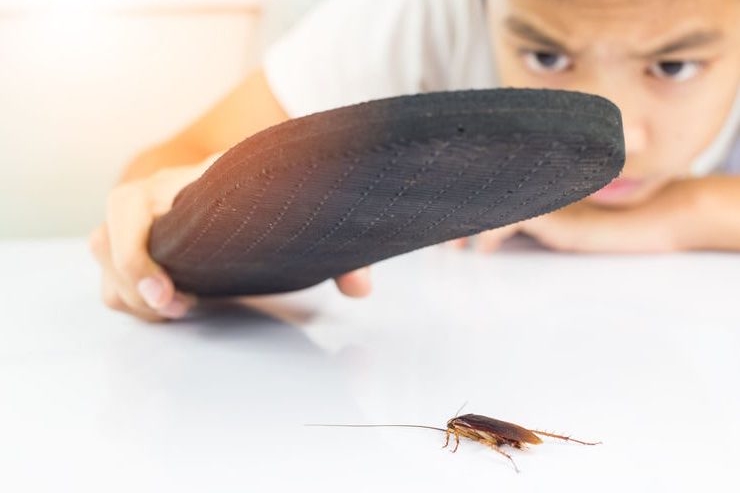
When people think of cockroaches, the first reaction is often “disgusting,” but their dangers extend far beyond sensory discomfort. As one of the “four major pests,” cockroaches possess extraordinary survival capabilities and carry vast quantities of pathogens and parasite eggs, making them an “invisible killer” to household health.
From a health perspective, cockroaches can transmit multiple diseases. They frequently inhabit filthy environments like trash bins, sewers, and toilets, accumulating pathogens such as Salmonella, E. coli, and Shigella on their bodies and in their digestive tracts. They may also carry parasite eggs like roundworms and tapeworms. When cockroaches crawl over food, utensils, or clothing, these pathogens are transferred, potentially causing food poisoning, diarrhea, dysentery, and other gastrointestinal illnesses. Elderly individuals, children, and pregnant women with weaker immune systems are particularly at risk. Additionally, cockroach droppings, molted skins, and carcass fragments contain allergens. Prolonged exposure may trigger allergic reactions like asthma and allergic rhinitis. Studies indicate that approximately 30% of children with asthma are sensitive to cockroach allergens.
Beyond health risks, cockroaches cause property damage. Their sharp mouthparts can chew through paper, clothing, books, and other household items, particularly targeting starch-containing materials like flour sacks in kitchens or cotton garments in wardrobes. They may even burrow into electrical appliances, gnawing through wire insulation to cause short circuits, electrical leaks, and appliance malfunctions—potentially triggering fires in severe cases. One resident experienced a refrigerator compressor failure after cockroaches burrowed inside, burning through wiring and causing thousands of dollars in property damage. Such incidents are especially common during summer heatwaves.
To effectively control cockroaches, one must first understand the common species and their habits to “treat the root cause.” Three main species are most prevalent in residential environments: the German cockroach, the American cockroach, and the Oriental cockroach. Each differs in appearance, habitat preferences, and reproductive capacity.
1. German Cockroach:
The German cockroach is currently the most prevalent species in homes. It is relatively small, with adults measuring approximately 1-1.5 cm in length. They are light brown with two black stripes on their backs. Their reproductive capacity is exceptionally strong; a single female can produce 4-8 egg cases in her lifetime. each containing 30-40 eggs. The development from egg to adult takes only 25-30 days. Highly adaptable, they can survive near refrigerators, microwaves, and other environments with extreme temperatures. They particularly favor gathering under kitchen stoves, cabinets, and sinks, where food scraps and water sources are abundant.

2. American Cockroach:
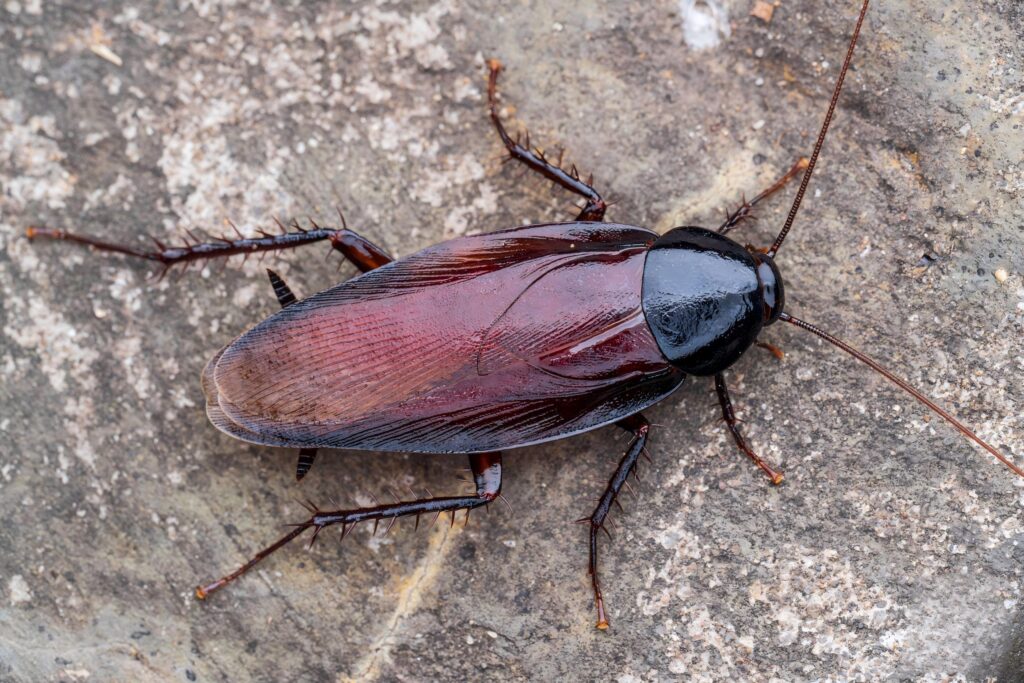
The American cockroach is larger, with adults reaching 3-4 cm in length. They are reddish-brown with well-developed wings, enabling short-distance flight. Their habitat range is broader, extending beyond kitchens and bathrooms to include basements, sewers, and areas around trash bins—preferring damp, dark environments. They exhibit strong environmental tolerance, surviving weeks without food. The American cockroach’s ootheca (egg case) has a longer incubation period of approximately 30-50 days. However, individual females lay more eggs and move swiftly, making them difficult to capture.

3. Oriental Cockroach:
Commonly found in southern regions, the Oriental cockroach measures about 2-3 cm in length with a black body and glossy thorax. It prefers damp environments like bathrooms, showers, and balcony corners, though it also enters kitchens to forage. Its reproduction rate falls between that of the German cockroach and the American cockroach, with oothecae hatching in 35-45 days. Regardless of species, all cockroaches share common traits: they avoid light, hiding in crevices during the day and becoming active between 9 PM and 2 AM; they thrive in warmth and humidity, with optimal survival temperatures between 20-30°C (68-86°F) and relative humidity above 70% promoting proliferation; They are omnivorous, consuming almost anything including food scraps, grease, paper, leather, and even their own carcasses. Understanding these habits helps us pinpoint cockroach hiding spots and breeding sources, improving control efficiency.
For minor cockroach infestations, households can effectively manage or even completely eliminate cockroaches using a DIY approach combining “prevention + extermination.”
1. Prevention First: Break the Cockroach “Survival Chain”
Prevention is key to cockroach control. By cutting off their food, water, and shelter sources, you can reduce breeding at the source. Specific actions include:
① Maintain Cleanliness: Dispose of kitchen waste daily, avoiding overnight food residue. Wipe down stovetops and dining tables after meals, and clear standing water and food particles from sinks. Store flour, rice, snacks, and other items in sealed containers within cabinets to prevent exposure. Regularly clean bathrooms, keeping floors and walls dry. Promptly repair leaky faucets and pipes to eliminate water sources.
② Seal gaps: Eliminate hiding spots. Use silicone sealant or caulk to seal gaps between cabinets, wardrobes, baseboards, appliances (like refrigerators, washing machines, air conditioners), and walls, as well as holes where pipes or wires pass through walls. Inspect door and window seals for damage and replace them promptly to prevent cockroaches from entering from outside or neighboring homes. ③ Regular tidying: Reduce cockroach “habitats”: Avoid cluttering kitchens and bathrooms with items like cardboard boxes, newspapers, or old clothing, which easily become hiding spots and breeding grounds. Regularly clean the interiors of appliances like refrigerators, microwaves, and ovens, removing grease and food residue from crevices.
2. Scientific Extermination: Select Safe and Effective Tools and Pesticides
If cockroaches are present, choose physical or chemical extermination methods based on the situation. Prioritize products safe for the elderly, children, and pets.
① Physical Extermination: Chemical-free, suitable for mild infestations:
② Sticky Traps / Cockroach Bait Stations: Place sticky traps in areas where cockroaches are active, such as under kitchen cabinets, bathroom corners, or near refrigerators. Place a small amount of breadcrumbs or cooking oil in the center of the sticky trap as bait to attract cockroaches. Advantages include safety, non-toxicity, and visible evidence of infestation for monitoring effectiveness—ideal for households with children or pets. Replace regularly when saturated or adhesive weakens.
③ Cockroach traps: These devices lure cockroaches inside with bait, then trap them using a mechanism. The entire trap can be discarded or disposed of afterward, making them suitable for those who prefer not to handle cockroaches directly.
④ Pouring Boiling Water: For discovered cockroach egg cases or clusters in crevices, pour boiling water to kill both cockroaches and egg cases. Exercise caution to avoid burns and damage to appliances or furniture.
⑤ Chemical Extermination: Highly effective and fast-acting, but use with caution:
⑥ Cockroach Gel Bait: Currently one of the most effective household cockroach control agents. This gel-based bait contains attractants and can be applied to cracks and corners where cockroaches frequently appear (e.g., cabinet edges, under sinks, beneath appliances). Cockroaches do not die immediately after consuming the gel bait. They return to their nests where they perish. Other cockroaches ingesting their carcasses or excrement suffer chain poisoning, achieving a “knockout effect.” When using, apply small amounts in multiple spots to prevent accidental ingestion by children or pets. Do not clean immediately after application; wait until cockroaches are completely eliminated before wiping.
⑦ Cockroach Aerosol: Ideal for quickly eliminating visible cockroaches. Aim directly at the insects or spray into their hiding crevices. Choose aerosols with residual effects, which form a protective film on surfaces to continuously eliminate subsequent cockroaches. However, aerosols emit strong odors. Close doors and windows during use, evacuate people and pets, ventilate for 30 minutes afterward, and wait until the odor dissipates before re-entering.
⑧ Cockroach Powder: Apply powder to dry areas frequented by cockroaches (e.g., wardrobe corners, baseboard crevices). When cockroaches crawl over the powder, it adheres to their exoskeleton. Ingestion leads to poisoning and death. Powder remains effective for extended periods but must be kept away from moisture to prevent deactivation. Ensure children cannot inhale the powder.
Different environments present distinct characteristics, and the causes of cockroach infestations and key control priorities vary accordingly. Targeted solutions must be developed for each area.
1. Kitchens: The “High-Risk Zone” for Cockroaches—Focus on Eliminating Food Sources
Kitchens, abundant with food and grease, are cockroaches’ favorite gathering spots. Control focuses on thoroughly eliminating food scraps and grease buildup. Specific actions:
– Clean stovetops and range hoods with hot water daily after meals. Weekly, use detergent to clean grease from inside range hoods and cabinet crevices.
Install moisture-proof mats under sinks and promptly repair leaking pipes to prevent water accumulation;
Store food in airtight containers within cabinets. Use lidded trash bags and empty them daily;
Place cockroach glue traps in cabinet corners, under sinks, and beneath refrigerators. Position sticky traps near range hood vents to capture cockroaches entering from outside.
2. Bathroom: Moisture is the “trigger,” focus on blocking “water sources”
The humid bathroom environment provides ideal conditions for cockroaches. The core of control is maintaining dryness and sealing gaps:
Dry floors and walls promptly after bathing. Use dehumidifiers or exhaust fans to reduce humidity and prevent water accumulation;
Regularly empty bathroom trash bins and avoid storing perishable waste;
Seal gaps between the toilet and floor, as well as pipe joints, with caulk to prevent cockroaches from crawling up through drains;
Place cockroach glue traps in bathroom corners and under sinks. Avoid aerosol sprays (odors linger), but opt for odorless aerosols if rapid extermination is needed.
3. Storage Rooms / Pantries: Cluttered “Hiding Spots” – Focus on Environmental Control
Home storage areas or pantries, filled with accumulated items, easily become cockroach “breeding grounds.” Management methods:
① Regularly organize items, replacing cardboard boxes with sealed plastic storage containers;
② Weekly floor cleaning to remove dust and debris, maintaining ventilation and dryness;
③ Place sticky traps or cockroach powder at the bottom of storage bins and in shelf corners. Inspect every 2-3 weeks and replace ineffective baits promptly.
During cockroach control efforts, many people resort to ineffective methods due to a lack of scientific understanding, often leading to poor results or even increased infestations. Here are four common pitfalls to avoid at all costs!!!
1. Misconception 1: Only Killing Visible Cockroaches While Ignoring Egg Cases and Nests
Upon spotting cockroaches, many people resort to swatting them with slippers or spraying aerosols to kill visible individuals, yet overlook cockroach egg cases and those hiding within nests. A single female cockroach’s egg case can hatch dozens of nymphs. If the egg case remains untreated, new cockroaches will emerge over time.
The correct approach is: After eliminating visible cockroaches, thoroughly inspect their hiding crevices. Use tweezers to remove egg cases, then scald them with boiling water or spray with insecticide. Finally, treat the area around the nest with pesticide.
2. Misconception 2: Overusing Insecticides in Pursuit of “Quick Results”
Some believe that more insecticide equals better results, leading to excessive spraying indoors. This creates pungent odors that harm family health and may cause cockroaches to develop resistance.
In reality, insecticide should be applied sparingly to cracks and corners where cockroaches appear. Focus on using baits like glue traps that create a chain reaction for long-term control.
3. Misconception 3: Ignoring “neighbor transmission” and treating only one’s own home
Cockroaches have a wide range of movement and can enter through pipes, door cracks, windows, and other openings from neighboring homes. If cockroaches are present in neighboring homes, treating only one’s own home will result in their rapid reappearance.
The correct approach is to treat your own home while coordinating with neighbors to implement joint prevention measures. This includes sealing cracks together and clearing debris from stairwells to control cockroach spread at the building level.
4. Misconception 4: Believing “Cockroaches disappear in winter, so no treatment is needed”
Many assume cockroaches vanish during cold winter months and halt prevention efforts. In reality, indoor heating maintains suitable temperatures, allowing cockroaches to continue activity and reproduction indoors, albeit with slightly reduced activity levels. Relaxing prevention during winter leads to rapid population growth in spring, significantly increasing future control difficulties.
Correct approach: Maintain year-round prevention. Conduct regular winter inspections of high-risk areas and address issues promptly upon discovery.
If DIY home treatments fail to reduce cockroach numbers, or if any of the following situations arise, promptly contact a professional pest control company:
1. Heavy infestation with frequent daytime sightings indicates a severe problem;
2. Presence of elderly individuals, children, or allergy sufferers in the household, raising safety concerns about DIY chemical use;
3. Persistent reappearance of cockroaches after multiple DIY treatments, suggesting possible pesticide resistance or undiscovered nesting sites;
4. Commercial spaces like shops, restaurants, or warehouses, where large areas and complex environments make thorough DIY control difficult.
When selecting a professional extermination company, consider these points:
1. Verify the company holds valid pest control certification;
2. Confirm pesticides used are nationally approved, safe products harmless to humans and the environment;
3. Inquire about treatment plans—reputable companies conduct on-site inspections to develop customized solutions including extermination, prevention, and follow-up services. Confirm aftercare guarantees, such as complimentary re-treatment if cockroaches reappear within a specified period post-treatment.
Cockroach control is a “long-term battle” requiring adherence to the principle of “prevention first, scientific extermination.” Success involves maintaining a clean environment, sealing cracks and crevices, selecting appropriate control tools, and avoiding common pitfalls. Whether tackling the issue yourself or seeking professional help, the key is prompt action—don’t wait until cockroaches multiply before taking action. We hope this article provides practical guidance to help you create a cockroach-free, healthy home environment. If you encounter other issues during your pest control efforts, feel free to leave a comment, and we’ll be happy to provide further assistance.



 Italian
  English
  Arabic
  Spanish
  Russian
  German
  Portuguese
  French