
Raccoons may look cute and innocent, but they are known as the “kings of garden destruction.” These nocturnal omnivores not only rummage through trash cans, gnaw on fruits and vegetables, and dig up lawns and flower beds, but they also sneak into attics, balconies, and garages to build nests, chew on electrical wires, damage building materials, and even carry parasites and pathogens that threaten the health of family members and pets. Many homeowners have tried simple deterrents, only to discover that raccoons are highly intelligent and adaptable—they return within days, causing endless headaches.
When dealing with raccoon intrusions, people often fall into two common pitfalls: first, directly feeding them or letting them stay out of pity, which leads to long-term settlement; second, resorting to violent harm, poisoning, or unauthorized relocation, which disrupts the ecosystem. The core principles of raccoon deterrence are clear: prioritize humane and harmless methods, adhere to legal and regulatory standards, and combine cutting off food sources at the source with sensory deterrents and physical barriers to ensure long-term prevention and eliminate the risk of recurrence.
To effectively drive away raccoons, one must first understand their lifestyle and core vulnerabilities. This avoids blind, ineffective actions and reduces the likelihood of raccoons returning from the source.
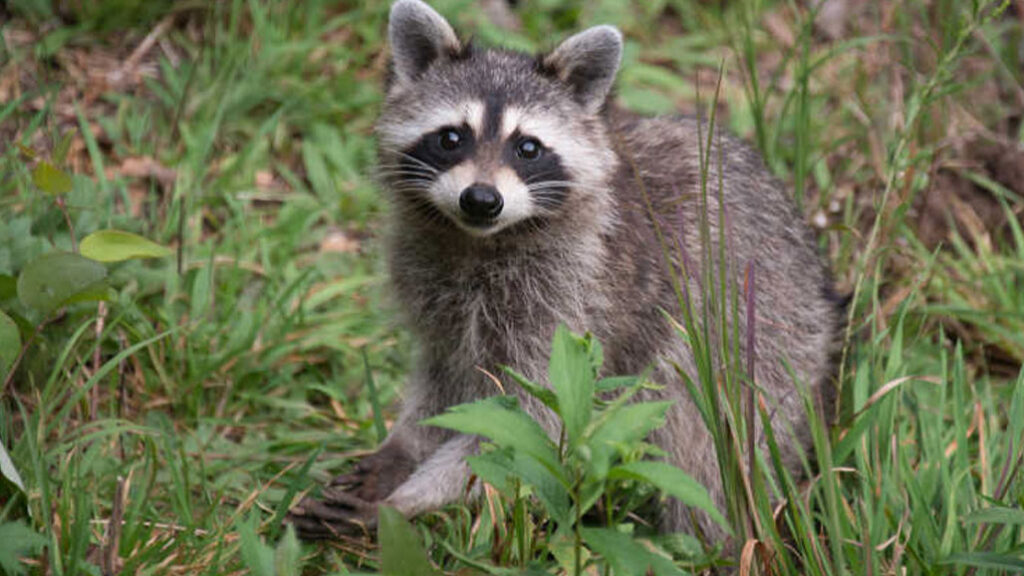
Raccoons are nocturnal animals. They rest in dark, quiet corners during the day, go out to forage after dusk, and return to their dens in the early morning. They prefer areas near water sources with hidden spaces; They have extremely keen senses of smell and hearing, though their vision is relatively poor. Their claws are agile, and they excel at climbing, digging, and picking locks. With virtually no natural predators, they are bold and possess a strong memory; once they find a stable food source and den, they will settle in for the long term. Their diet is extremely varied, including fruits, corn, pet food, garbage, insects, and fish and shrimp, with a particular preference for sweet and strongly fishy-smelling foods; They are naturally wary and dislike bright lights, loud noises, and pungent odors; they avoid open, unobstructed environments. During the breeding season, female raccoons exhibit a strong protective instinct toward their young and may become aggressive.
Summary of Raccoons’ Core Vulnerabilities: They fear pungent odors, sudden bright lights and loud noises, open spaces with no cover, solid physical barriers, and the scent of natural predators. All deterrence methods are designed around these vulnerabilities, ensuring a humane and harmless process that does not harm the raccoons and prevents retaliatory damage.
For small areas such as balconies, small yards, entrances, and around trash cans, or in early-stage scenarios where raccoons have just begun to appear but have not yet built nests, emergency repellency can be achieved using everyday items without significant investment. The methods are simple to implement—even the elderly and children can handle them—and are suitable for short-term prevention and temporary deterrence.
1. Odor Repellents: Use pungent smells to make raccoons actively stay away
Raccoons have a sense of smell several times more sensitive than humans and are extremely sensitive to strong, pungent odors. By setting up a scent barrier in areas where raccoons frequently appear, at den entrances, or around food sources, you can deter them without harming humans or pets (Just avoid direct contact with pets).
Common natural repellents: chili powder, black pepper, garlic juice, peppermint essential oil, white vinegar, ammonia, citrus peels (orange, grapefruit, lemon), and camphor balls. The method is super simple: Mix chili powder and black pepper in a 1:4 ratio with water, add a small amount of dish soap to increase adhesion, pour into a spray bottle, and spray the mixture on the outside of trash cans, balcony railings, yard fences, and corners near entrances; Chop the citrus peels, or wrap camphor balls in cheesecloth or cotton balls soaked in peppermint essential oil, and place them every 3–5 meters, or hang them on fences or under eaves; dip old cloth strips in diluted white vinegar or ammonia solution, tie them to wooden sticks, and insert them around the perimeter of the yard. Replace them regularly to maintain the scent intensity. Precautions: Avoid spraying directly onto vegetables, flowers, and other plants to prevent scorching; the scent dissipates quickly after rain, so reapply or replace promptly; for households with pets, place repellent items out of reach in high places to prevent accidental ingestion.
2. Sound and Light Deterrence: Disrupting Their Sense of Security to Keep Raccoons at Bay
Raccoons are accustomed to moving about in dark, quiet environments. Sudden bright lights and piercing noises instantly shatter their sense of security, causing them to flee in fright. This method is ideal for use at night when no one is present, and the deterrent effect is immediate.
Simple Sound and Light Solutions: Install solar-powered strobe lights and motion-activated night lights in your yard or on your balcony. These automatically turn on at night; the alternating red and blue flashes are most effective at startling raccoons. Hang wind chimes, tin cans, or aluminum cans so they rattle in the wind, or install motion-activated bells that ring when a raccoon approaches and touches them. If possible, set up a radio to play human voices, rock music, or siren sounds at night on a timer, repeating every 1–2 hours. Avoid playing the same sound for extended periods to prevent raccoons from getting used to it. Key Tip: Place sound and light devices along raccoons’ usual paths and near den entrances to create a comprehensive deterrent. Do not limit them to a single corner to avoid blind spots.
3. Human-Assisted + Pet-Assisted Repellency
If you spot a raccoon in your yard, do not provoke or chase it at close range. Instead, turn on the yard lights and make noise by banging on a basin or a wooden stick to scare it away from a distance; Medium-sized dogs and geese kept at home have a natural deterrent effect on raccoons. A dog’s barking and vigilance can provide an immediate warning, while a goose’s shrill cries and aggressive nature can also scare off raccoons, making them suitable for everyday home protection. Important: Never let your pets engage in direct combat with raccoons. This prevents your pets from being scratched or bitten and helps avoid the spread of diseases carried by raccoons.
For gardens, vegetable patches, or large yards where fruits, vegetables, and flowers are grown, simple emergency methods have limited effectiveness. Raccoons will repeatedly dig up soil and eat crops, so a combination of professional repellent devices and source control is needed to achieve long-term protection and reduce economic losses.
1. Professional Smart Deterrent Devices: Unattended, Hassle-Free, and Highly Effective
The market offers smart deterrent devices specifically designed for nocturnal pests like raccoons. Combining sound, light, sensor-activated water sprays, and ultrasonic technology, these devices are humane and harmless, provide long-lasting deterrence, require no frequent manual operation, and offer excellent value for money.
Mainstream Practical Devices: Sensor-activated water sprayers detect raccoon activity via infrared sensors and instantly release a high-pressure water jet. The sudden water flow effectively startles raccoons without causing harm. These are suitable for use around gardens, lawns, and fish ponds, offering wide coverage; Ultrasonic repellents emit high-frequency ultrasonic waves that stimulate the raccoon’s auditory system. These waves are inaudible to humans and pets, causing no disturbance, with an effective radius of 30–50 meters. Simply install them on eaves or high points of fences; Multi-functional sound and light repellents integrate strobe lights, motion-activated alarms, and predator sound effects, automatically activating at night for comprehensive protection of courtyards and vegetable gardens.
2. Cut Off the Food Supply at the Source: Completely Eliminate Raccoon Foraging Incentives
In 90% of cases, raccoons return because they have a stable food source. Cutting off this food incentive is the crucial first step in long-term deterrence and is more effective than simple repellents.
Practical steps: Replace trash cans with lockable, wildlife-proof models—preferably made of metal, which raccoons cannot chew or pry open. Empty trash promptly; do not leave it out overnight. Wipe down the exterior of trash cans regularly to remove odors from food residue; Do not leave pet food outside overnight; promptly remove any leftover food after feeding. Bring pet water bowls indoors at night to avoid attracting raccoons. Harvest ripe fruits and vegetables promptly, and clear fallen fruit and leaves from the ground—do not let them pile up in corners of the yard. Install protective netting over fish ponds and ornamental ponds to prevent raccoons from entering the water to catch fish and shrimp. Also, regularly remove weeds around the pond edges to reduce hiding spots.
3. Ecological Buffer Zone: A Natural Barrier, Double Protection
Plant species that raccoons dislike along the boundary between your yard or vegetable garden and the surrounding area to create a natural ecological buffer zone. This not only beautifies the environment but also prevents raccoons from entering—killing two birds with one stone.
Recommended plants include pungent crops such as mint, rosemary, garlic, onions, and chili peppers, or thorny plants like roses and bramble shrubs. The buffer zone should be 1–2 meters wide and planted in a continuous strip to form a dense barrier. Raccoons dislike the strong odors and cannot easily cross this barrier, effectively delaying or even preventing their intrusion.
In severe cases where raccoons are frequently sighted or have already built nests in attics, balconies, or garages, mere deterrence is only a temporary fix. Erecting sturdy physical barriers to seal off all entry points is the most thorough and long-lasting solution, preventing raccoons from entering the core areas of your home and yard at the source.
1. Seal Entry Holes: Prevent Raccoons from Nesting and Settling
Raccoons are adept at squeezing through gaps. Eaves, attic vents, balcony corners, garage door gaps, and damaged walls are all common entry points that must be thoroughly sealed to prevent raccoons from nesting and breeding.
Practical Steps: First, carefully inspect the exterior of the house to identify gaps and openings larger than 10 centimeters in diameter. After confirming there are no cubs inside (this is essential during the breeding season to prevent cubs from being trapped and dying indoors), proceed with sealing. Prioritize using galvanized wire mesh, metal plates, or cement for sealing; avoid materials like wood or plastic that are easy for raccoons to gnaw through. Install animal-proof mesh covers over vents and chimneys, burying the bottom 5–10 centimeters underground to prevent raccoons from digging through; trim branches near eaves and roof edges, maintaining a distance of at least 1.5 meters between branches and the house to prevent raccoons from climbing in via the branches.
2. Reinforcing Yard Fences: Anti-climbing and Anti-digging
Standard low fences are easily scaled or dug through by raccoons. We recommend the following reinforcement measures: Ensure the fence is at least 1.2 meters high and install outward-sloping metal panels at the top to prevent climbing; bury the bottom of the fence 15–20 centimeters underground, extending horizontally 10 centimeters to form an L-shaped barrier that prevents raccoons from digging through; Ensure fence gaps do not exceed 5 centimeters to prevent raccoons from squeezing through. Choose sturdy materials such as metal or concrete; avoid wooden or plastic fences.
3. One-Way Exclusion Gate: Humane Removal to Prevent Return
If raccoons have already built nests in attics, garages, or under balconies, install a one-way exclusion gate. This is the most humane professional removal method, allowing raccoons to exit to forage but preventing them from re-entering, all without harming the animals.
Installation Guidelines: After confirming there are no cubs in the den, install the one-way door at the raccoons’ only entrance. The door panel must open outward only, with no leverage points on the inside. Monitor the area for 2–3 nights after installation to ensure all raccoons have left. Immediately remove the one-way door and completely seal the opening to prevent other raccoons from re-entering. Do not capture or relocate raccoons on your own. In some areas, the unauthorized relocation of wildlife is prohibited. To avoid breaking the law, we recommend prioritizing the one-way exclusion method.
Raccoons generally do not actively attack humans, but female raccoons during the breeding season and injured raccoons are highly alert and prone to attacking. If you encounter one, keep the following points in mind:
1. Stay calm and maintain a safe distance of at least 5 meters from the raccoon. Do not turn and run, as this may trigger the raccoon’s instinct to chase; instead, slowly back away;
2. Do not make direct eye contact with the raccoon, do not make loud or shrill noises, and do not feed, tease, or approach cubs—female raccoons are extremely aggressive when protecting their young;
3. If you are scratched or bitten by a raccoon, immediately wash the wound with soap and water, seek medical attention promptly to receive a rabies vaccine, and do not take this lightly;
4. If you find an injured or sick raccoon, do not attempt to rescue it yourself; contact a professional rescue organization immediately.
Important Compliance Reminder: Consuming raccoon meat is strictly prohibited. Raccoons carry various pathogens and parasites, making consumption extremely risky. Necessary defensive measures may only be taken when directly attacked by a raccoon and personal safety is threatened.
– Misconception 1: Using the same scent or sound for extended periods. Raccoons are highly intelligent and will quickly adapt, rendering the method ineffective. It is recommended to periodically switch repellent methods and combine multiple approaches;
– Misconception 2: Focusing solely on repelling them without sealing off entry points or removing food sources. Raccoons will quickly return. Repelling, cutting off food sources, and sealing off entry points must be carried out simultaneously;
– Mistake 3: Feeding raccoons out of pity. Once you start feeding them, they will treat the area as a regular feeding spot, making subsequent removal twice as difficult. Strictly avoid feeding them;
– Mistake 4: Using low-quality, easily chewable materials to seal off entry points. Raccoons can easily destroy them, rendering your efforts useless. You must use sturdy metal or concrete materials;
– Misconception 5: Forcibly removing raccoons during the breeding season. Female raccoons will attack to protect their young, and cubs trapped indoors will die and decompose, creating a health hazard. Always confirm there are no cubs present before proceeding with removal.
There is no quick-fix, one-size-fits-all solution for raccoon removal. To resolve the issue completely, you must strictly adhere to the principles of “humane and harmless methods, cutting off food sources at the source, combining deterrence with removal, physical barriers, and compliant disposal.” Choose the appropriate approach based on the situation: For small residential areas, use low-cost scent, sound, and light deterrents as emergency measures; For gardens and vegetable patches, use professional equipment + ecological barriers + source-based food control; For severe infestations, use physical barriers combined with one-way expulsion to prevent nesting and return.
Maintain daily yard cleanliness, promptly remove trash and food scraps, seal all entry points, and pre-deploy deterrent devices to implement preventive measures. This approach effectively discourages raccoons while fostering harmonious coexistence between humans and wildlife—preserving the peace of your home and yard without resorting to violence. If your home or yard is currently being plagued by raccoons, try following the methods outlined in this article. Start by addressing the root causes, gradually build a long-term protection system, and say goodbye to raccoon damage once and for all, allowing you to enjoy a peaceful home life.



 Portuguese
  English
  Arabic
  Spanish
  Russian
  German
  French
  Italian